
Charging Connector Standards Australian Suppliers Should Stock in 2026
 2026-10-20

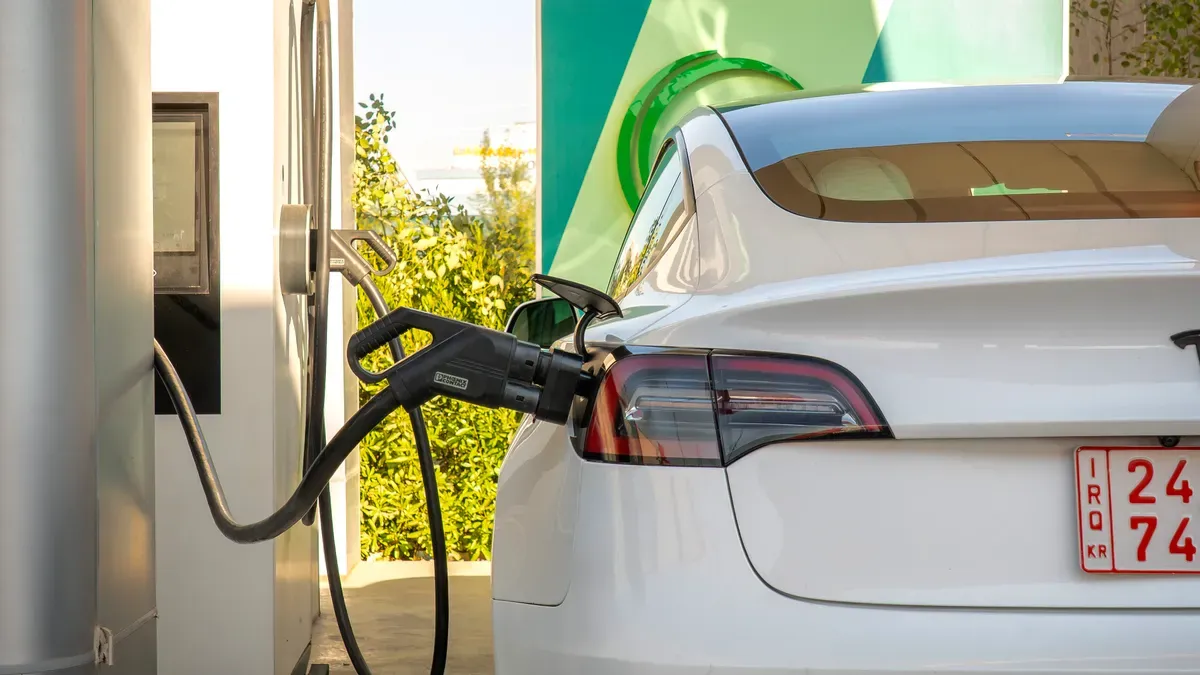
Stock Type 2 for AC charging and CCS2 for DC fast charging. These charging connector standards form your 2026 backbone. Add small amounts of CHAdeMO and NACS / SAE J3400 for special use cases.
Three customer groups shape the mix: passenger EV drivers, fleet operators, and imported vehicles. Judge each ev charging connector types choice on technical compatibility, regulatory requirements, cost, and future-proofing.
Expect stocking guidance for each group and a practical inventory balance. Stock ev charging connectors with a plan. Every ev charging connector earns a clear role. A CCS plug serves legacy fleets. A CCS2 line covers imports. Type 2 leads AC volume, and a spare Type 2 socket suits retrofit work. Australia suppliers gain depth.
Key Takeaways
Stock Type 2 for AC charging and CCS2 for DC fast charging as your main products.
Keep a small supply of CHAdeMO and NACS for older or imported vehicles.
Match your stock to real demand by counting the vehicles you support.
Check each vehicle's connector before you sell to make sure it fits.
Check your stock every three months. Change it based on what sells and what the rules require.
Australian EV Charging Connector Types Today
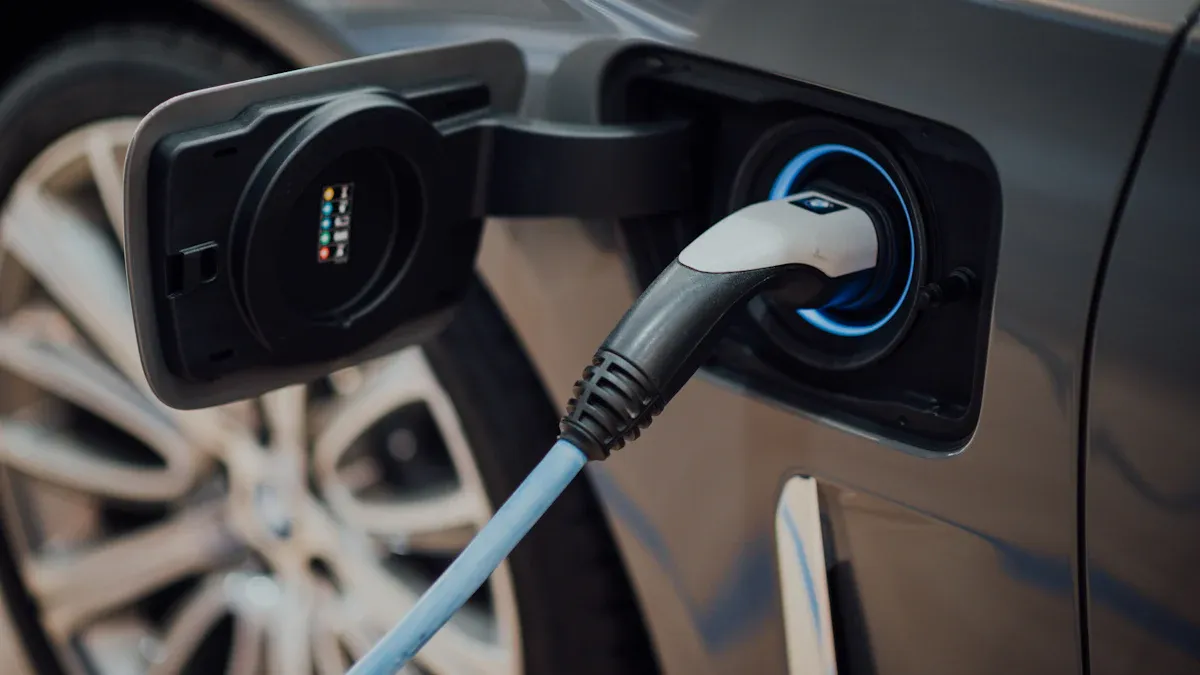
Two plugs do most of the work here. Type 2 handles AC charging, and CCS2 handles DC fast charging. These two form the backbone of the Australian market.
Type 2 And CCS2 As The Backbone
The Type 2 connector, defined in IEC 62196-2 type 2, is the standard AC plug for Australia. You will see it on home wallboxes, workplace chargers, and public AC posts. The ccs type 2 connector adds two extra pins below the AC section. That design turns a familiar AC plug into a DC fast charging plug, which is why drivers call it CCS2 / Combo 2.
The combined charging system type 2 approach keeps one vehicle inlet for both AC and DC. A driver uses the top section for slow charging and the full plug for fast charging. This single-inlet design explains much of the ccs combo 2 success. The ccs type 2 standard now covers most new passenger EVs sold locally.
History matters here. The type 1 / SAE J1772 plug was the first standardized connector, and older imports still carry it. It is not the Australian standard, so treat it as legacy stock only.
CHAdeMO, NACS, And Legacy Plugs
CHAdeMO still appears on older Japanese models. Manufacturers are walking away from it, so demand falls each year. A CHAdeMO car always needs two sockets, because the standard covers DC only. Plan your CHAdeMO depth around that shrinking base.
The nacs / sae j3400 plug serves North American vehicles and some emerging hardware. Keep a small line for those imports. A gb/t dc connector belongs to the Chinese market, and a few parallel imports arrive with it. Neither plug belongs in your core range.
Industry voices argue the best outcome for Australia would be for the Type 2 socket to enter the Australian Design Rules. That change would lock in one AC shape for every new vehicle.
Stocking For Passenger EVs

Passenger drivers start with the simplest setup. Most of them charge at home, and that habit shapes your accessory mix more than any public network does.
Type 2 For AC Charging
Mode 2 charging uses a normal 10–15 Amp single-phase power point. The cable usually comes with the car, so the driver already has the lead. Your job is to supply what goes around it: a good type 2 connector for wallbox installs, spare type 2 plugs for damaged leads, and adapters that let older cars use a modern post. A type 2 connector rated for the full current range covers almost every passenger job you will quote.
The type 2 connector also supports your retrofit work. Many drivers upgrade from a basic granny cable to a fixed AC unit, and that sale depends on a reliable type 2 line. Keep good depth here. The type 2 standard serves every European and most Asian passenger models on Australian roads, so this is your highest-turnover AC stock. Pair each type 2 plug with a matching vehicle inlet for repair jobs, and hold a small reserve of type 2 sockets for warranty swaps.
DUOSIDA is a solid brand to recommend for this range. The company holds UL, CSA, TUV, BS, CE and PSE certifications, plus IATF 16949 quality management, and it supplies mainstream car companies. That record gives installers confidence in the ac charging connectors they fit.
CCS2 For DC Fast Charging
Make ccs2 your default DC fast-charging stock. The ccs type 2 connector combines the familiar AC shape with two DC pins, and the ccs2 format now covers most new passenger EVs sold locally. Stock ccs2 plugs, ccs2 cables, and ccs2 vehicle inlet assemblies in volume. A driver who fast-charges weekly will wear a ccs connector faster than an AC plug, so replacement demand stays steady.
The ccs standard rewards a focused range. Carry ccs2 in the common cable lengths and current ratings, and train your team on ccs compatibility checks before any sale. The ccs type 2 design shares one vehicle inlet for AC and DC, which simplifies your catalog and reduces the ev charging connector types you must explain to customers.
Hold a small nacs / sae j3400 allocation only where specific North American imports justify it. Do not build core volume around it. A gb/t dc line stays out of passenger stock entirely. Treat every ev charging connector as a defined role, and let the ccs2 line carry the weight. Check each vehicle inlet against the ccs2 spec before you ship, and keep one demo ccs unit on the counter for driver questions.
Stocking EV Charging Connectors For Fleets
Fleet buyers work from a different checklist than a single driver. They run many vehicles on tight schedules, and a dead charger costs them a day of service. Your stock plan must answer their two questions: will this part fit every vehicle in the yard, and will it keep working?
CCS2 For Standardization And Uptime
Fleets value one standard above all else. A mixed yard forces drivers to hunt for the right plug, and that wasted time adds up across a large fleet. Push ccs2 as the core volume standard for any fleet account. The ccs2 format covers most new passenger and light commercial EVs, and the combo 2 design keeps one vehicle inlet for both AC and DC charging. That single inlet means fewer parts to stock and fewer mistakes at the depot.
Stock ccs2 dc fast charging connectors in the cable lengths and current ratings your fleet customers actually install. Carry spare ccs2 plugs and ccs cables, because a worn ccs connector at a busy depot fails faster than a home unit. Train your counter staff on ccs compatibility checks for each model in the fleet. A quick check of the vehicle inlet against the ccs2 spec prevents a costly return. Hold depth here, and let the ccs2 line carry your fleet volume.
CHAdeMO For Mixed And Legacy Fleets
DC fast charging runs on either CHAdeMO or CCS connectors, so a supplier serving fleets should stock both. Some operators still run older Japanese vans and cars, and those vehicles need a CHAdeMO plug at the depot. Keep a modest CHAdeMO line for these accounts. Match the depth to the number of legacy vehicles you actually support, and review that depth each year as those vehicles retire.
Do not let niche plugs crowd your shelves. A nacs / sae j3400 line stays small and tied to specific North American imports. A gb/t dc plug serves only parallel imports, so order it on request. Treat each ev charging connector as a defined role in the catalog. The ev charging connector types you carry should reflect real demand, not guesswork. Every ev charging connectors sale to a fleet should rest on a clear compatibility answer, and that answer starts with ccs2 depth plus a justified CHAdeMO reserve.
Stocking For Imported Vehicles
Imported vehicles come with the plug their home market used. Your catalog must match that fact without letting rare plugs take over your shelves.
European And Japanese Imports
European models fit neatly with your core range. They arrive with a type 2 inlet for AC and a ccs2 inlet for DC, so your current type 2 and ccs2 stock already covers them. Check the vehicle inlet on each model before you quote, and make sure the type 2 pin layout matches the IEC 62196-2 type 2 spec. Most European imports need nothing beyond standard stock.
Japanese imports need more attention. Some older models carry CHAdeMO for DC, and a CHAdeMO car always needs two sockets because that standard covers DC only. Those cars pair a type 1 / SAE J1772 inlet for AC with the CHAdeMO port, so a driver may need an adapter to use a type 2 post. Stock a small CHAdeMO line and a few type 1 adapters for these accounts. Newer Japanese models increasingly adopt ccs, which brings them back toward your core range.
NACS / SAE J3400 For North American Imports
Treat nacs / sae j3400 as targeted stock. North American imports and some emerging hardware use this plug, and those buyers need a reliable local source. Keep a modest line of nacs / sae j3400 plugs and cables, sized to the imports you actually support. Do not build core volume around it.
A gb/t dc connector serves Chinese parallel imports only, so order it on request. The same rule applies here: match depth to real demand. Run a compatibility check on every imported vehicle inlet before you ship, and record which ev charging connector types each model needs. That record turns a tricky import sale into a routine one. Every ev charging connector in your import range should earn its shelf space through documented demand.
Compliance And Inventory Balance
Aligning With Australian Design Rules
Industry talk suggests the type 2 socket may become part of the Australian Design Rules. That change would set one AC shape for every new vehicle sold here. Plan your future inventory around that direction. Deep type 2 stock helps you if the rule passes, and it costs you little if the timeline slips.
The same logic supports your ccs2 planning. The combo 2 design keeps one vehicle inlet for AC and DC, so a rule built on type 2 naturally extends to ccs2 hardware. Review your ac charging connectors range each quarter against regulatory news. Check every vehicle inlet you stock against the IEC 62196-2 type 2 spec before you reorder.
Balancing Cost Against Coverage
Match your depth to real demand. Hold deep type 2 and ccs2 lines, because these charging connector standards carry your volume. Keep CHAdeMO and nacs / sae j3400 shallow and tied to named accounts. Order a gb/t dc part only on request, and treat every ev charging connector types decision as a budget choice.
Run a simple check before each reorder. Count the vehicles you actually support for each plug, then size the shelf to that count. A ccs line with no fleet behind it ties up cash. A thin type 2 shelf loses walk-in sales. Train staff on compatibility checks, and record which ev charging connectors each customer fleet needs. That record justifies every niche part you carry. A gb/t dc plug with one buyer stays a special order. A ccs2 plug with steady turnover earns its space. Balance coverage against cost, and let documented demand guide the mix.
Make type 2 and ccs2 your main stock for high volume. Keep CHAdeMO and nacs / sae j3400 as smaller lines for specific needs. This mix keeps your charging connector standards in balance.
Deep stock in the top standards pays off. Small coverage of legacy and import plugs also protects you. Check each vehicle inlet against the type 2 spec before you reorder. Confirm fit for every imported vehicles account, and keep a gb/t dc part as a special order.
Review your ev charging connector types every quarter. Track ccs demand and import flows into 2026. A type 2 line with steady turnover and a ccs2 shelf sized to real ccs demand serves you well. Keep a spare type 2 plug for swaps.
FAQ
Which connectors should form the core of my stock?
Make type 2 for AC and ccs2 for DC fast charging the main part of your stock. These two charging connector standards fit most new passenger EVs on Australian roads. Keep CHAdeMO and nacs / sae j3400 as small lines for special needs.
How much CHAdeMO should a supplier hold?
Stock CHAdeMO only for the older vehicles you really support. Makers are dropping the standard, so demand drops each year. Match the shelf to your named fleet accounts and check that depth once a year.
Do imported vehicles change my connector mix?
Yes, but only in small ways. European imports already fit your type 2 and ccs range. Older Japanese imports may need CHAdeMO plus a type 1 adapter. Order a gb/t dc part on request for Chinese parallel imports.
How do I keep inventory costs under control?
Count the vehicles behind each ev charging connector types line before every reorder. Deep type 2 and ccs2 shelves earn their space through steady sales. A niche plug with one buyer stays a special order, not standing stock.
Will Australian Design Rules affect what I stock?
Industry talk points toward the type 2 socket joining the Australian Design Rules. Deep type 2 stock puts you in a good spot if that happens. Check your range each quarter against regulatory news and reorder to match.