
How Vehicle Outlet Sockets Support V2L and EV Power Applications
 2026-09-11

Electric vehicles are no longer used only for transportation. As EV electrical architectures become more capable, vehicles can also serve as mobile power sources for external equipment, appliances, tools, and other loads.
This is where Vehicle Outlet Sockets become useful.
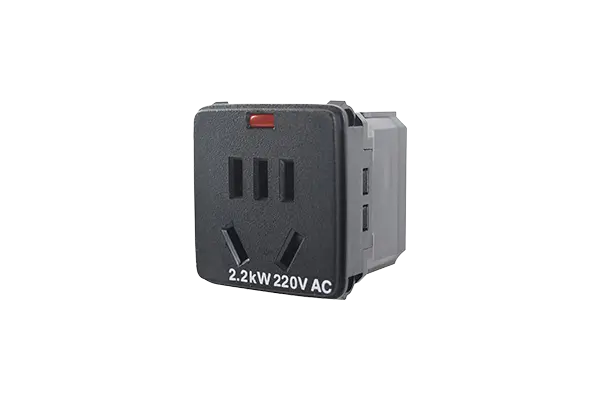
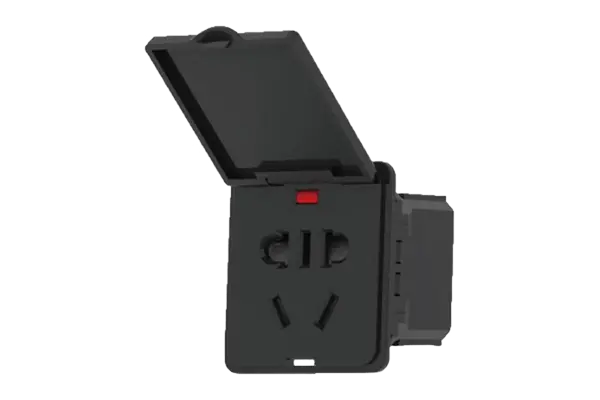
A Vehicle Outlet Socket provides an electrical connection between the vehicle and an external load. In applications related to Vehicle-to-Load (V2L), this interface can help turn an EV into a portable power source without requiring a separate conventional generator.
For automotive manufacturers, EV component suppliers, charging equipment developers, and companies working on vehicle electrical systems, the outlet socket is an important part of this power-discharge architecture.
Zhangjiagang UCHEN New Energy Technology Co., Ltd., also known as Youcheng Technology, focuses on the development and market promotion of high-performance charging products for new energy vehicles. Under the DUOSIDA brand, the company provides a broader range of EV charging and electrical connection products, including Vehicle Outlet Socket solutions.
From Charging an EV to Using an EV as a Power Source
The conventional EV use case is simple: electricity flows from the grid or charging equipment into the vehicle battery.
V2L changes the direction of energy use.
Instead of only receiving electrical energy, the vehicle can supply electrical power to an external load through an appropriate discharge interface.
This creates several practical possibilities.
An electric vehicle can potentially provide power for:
- Electric tools
- Outdoor equipment
- Camping appliances
- Lighting equipment
- Temporary workstations
- Small electrical devices
- Emergency power applications
The exact available power depends on the vehicle's electrical architecture and the associated discharge system. The Vehicle Outlet Socket is therefore not an independent power generator. It is one part of the interface that connects the vehicle's electrical system with the external application.
This distinction is important when designing or sourcing components for V2L-related projects.
Where the Vehicle Outlet Socket Fits in an EV
A modern EV can contain several different types of electrical interfaces, and they do not all perform the same function.
A charging socket or vehicle inlet is primarily designed to receive energy from charging equipment.
A charging plug connects the charging equipment to the vehicle.
A Vehicle Outlet Socket, on the other hand, is associated with supplying electrical power from the vehicle to an external application.
This means that engineers should not automatically treat a Vehicle Outlet Socket as another type of charging inlet.
Its role is different.
For an EV manufacturer developing a V2L function, the vehicle-side outlet needs to be considered together with the battery system, power conversion equipment, protection components, wiring, control system, and external load interface.
The mechanical and electrical interface must work reliably as part of the complete vehicle system.
V2L Makes the EV More Useful Outside the Road
One of the strongest arguments for vehicle power output is flexibility.
Consider an electric pickup being used on a remote construction site. Instead of bringing a separate portable power source for every small electrical tool, the vehicle could potentially supply power through its discharge interface.
The same concept can be useful for outdoor activities.
For camping or recreational use, an EV may be able to supply power to lighting, cooking equipment, small appliances, or other electrical devices, depending on the vehicle's V2L capabilities.
There are also potential applications in emergency situations.
When grid power is temporarily unavailable, an EV with an appropriate power-output system may provide a convenient temporary electricity source for selected equipment.
These are practical applications rather than purely theoretical EV functions. However, the actual available output, compatible loads, operating time, and safety requirements always depend on the vehicle and its electrical system.
Why the Outlet Interface Matters
It may seem that the outlet is simply a physical connection point.
In reality, the interface has several jobs to perform.
First, it needs to provide a stable electrical connection.
Second, it needs to integrate with the vehicle's physical design. A component installed on an EV needs to fit the available mounting space and work with the surrounding structure.
Third, the outlet must be suitable for the expected operating environment.
A vehicle can encounter rain, dust, vibration, temperature changes, and repeated connection and disconnection during normal use. These conditions are different from those found in a stationary indoor electrical installation.
For OEM customers, these requirements make component selection an engineering decision rather than simply a purchasing decision.
Vehicle Outlet Socket and V2L Adapter Are Not the Same Thing
Another point worth clarifying is the difference between a Vehicle Outlet Socket and a V2L adapter.
A vehicle outlet socket is the interface installed or integrated on the vehicle side.
A V2L adapter is typically used to connect that vehicle-side interface to external electrical equipment.
The two components therefore work together.
DUOSIDA's product portfolio includes both Vehicle Outlet Socket and Electrical Discharge Products categories. The company's broader product structure also includes adapters and other electrical connection components.
For an OEM developing a complete V2L solution, this can be useful because the vehicle-side interface and external connection accessories can be considered as parts of the same product ecosystem.
The exact interface configuration should still be selected according to the vehicle's electrical architecture and target application.
Common V2L Application Scenarios
The value of vehicle power output becomes easier to understand when looking at actual use cases.
1. Outdoor Recreation
EV owners increasingly use their vehicles for camping and outdoor activities.
A vehicle with a suitable V2L system can potentially provide power for lighting, cooking equipment, portable devices, and other electrical loads.
For this type of application, connector convenience and reliable physical connection are important.
2. Construction and Maintenance Work
Electric commercial vehicles and pickups can be used as mobile work platforms.
Power from the vehicle may be used for selected tools and equipment at locations where conventional electrical outlets are unavailable.
For professional users, the durability of the interface becomes particularly important because the vehicle may be used in demanding outdoor environments.
3. Emergency Power
V2L can also provide an additional power option during temporary power interruptions.
The vehicle may be able to support selected loads for a limited period, depending on the vehicle's battery capacity and discharge system.
This does not replace a dedicated backup power system in every application, but it can provide additional flexibility.
4. Mobile Events and Temporary Installations
Temporary installations sometimes require electrical power but do not have convenient access to the grid.
An EV equipped with an appropriate power-output system may provide a practical alternative for selected low- or medium-power loads.
What OEM Buyers Should Check When Selecting a Vehicle Outlet Socket
For companies sourcing Vehicle Outlet Socket products, it is useful to prepare the application requirements before contacting a manufacturer.
Electrical Compatibility
The socket needs to match the vehicle's electrical and power-discharge architecture.
Voltage, current, load type, wiring, and protection requirements should all be considered as part of the system design.
Mechanical Integration
Vehicle-mounted components have limited installation space.
The outlet socket should be evaluated according to the available mounting position, connector orientation, cable routing, and surrounding vehicle structure.
Environmental Requirements
Vehicle applications can expose electrical interfaces to dust, moisture, vibration, and temperature changes.
The environmental requirements should therefore be defined according to the intended vehicle and installation location.
Connection Frequency
A socket intended for occasional recreational use may have different requirements from one used repeatedly by commercial operators.
The expected frequency of connection and disconnection should be discussed with the manufacturer.
Target Market
EV electrical interfaces can vary according to vehicle platform and regional requirements.
If the vehicle is intended for international markets, the connector configuration and applicable standards should be confirmed at the beginning of the project.
Why Component Integration Matters for EV Manufacturers
A V2L system involves more than a socket.
The vehicle battery, power electronics, protection system, control strategy, wiring harness, outlet interface, and external adapter all need to work together.
For this reason, EV manufacturers often benefit from working with suppliers that understand the wider charging and electrical connection ecosystem.
Youcheng Technology is positioned as a charging solution service provider focused on high-performance charging products for new energy vehicles. Its DUOSIDA product portfolio covers multiple categories, including Charging Socket, Charging Plug, Charging Mode 2, Charging Mode 3, HPC Products, NACS Products, Electrical Discharge Products, Vehicle Outlet Socket, Adapter, Electric Lock, Charging Station, Connector Holder, and High Voltage Connector Products.
This broader product coverage is relevant to OEM and B2B customers because vehicle power and charging projects often require several related electrical connection components.
DUOSIDA's Approach to EV Electrical Connection Products
For overseas buyers, the value of a supplier is not only determined by whether it has one product that matches a specification.
A supplier with a broader EV product portfolio can be easier to work with when a project involves multiple interfaces.
DUOSIDA focuses on high-performance charging products for new energy vehicles and presents capabilities in high-level protection, ultra-fast charging, and safety certification on its official website. The company also states that it provides professional service within 24 hours after receiving business cooperation or product inquiries.
Its product portfolio extends from conventional charging components to high-power charging and vehicle electrical connection products.
For example, the company provides HPC products for high-power charging, NACS products for North American charging applications, charging plugs and sockets for different charging systems, and high-voltage connector products.
This allows customers to evaluate Vehicle Outlet Socket requirements within a larger EV electrical component platform.
What to Prepare Before Contacting a Manufacturer
If you are developing an EV with V2L capability, sending only a product name to a supplier may not be enough.
A more useful inquiry should include:
Vehicle type: passenger car, pickup, SUV, van, or commercial vehicle.
Target market: the countries or regions where the vehicle will be sold.
Power application: camping, commercial work, emergency power, outdoor equipment, or another use case.
Electrical requirements: expected voltage and current range.
Installation location: where the outlet will be positioned on the vehicle.
Connection requirements: external cable, adapter, or specific equipment interface.
Environmental conditions: expected temperature, moisture, dust, vibration, and other operating conditions.
Providing these details allows the manufacturer to evaluate the application rather than simply recommending a generic outlet.
Vehicle Power Output Is Becoming Part of EV Product Design
The development of EVs is gradually expanding beyond the traditional idea of charging a battery and driving the vehicle.
Features such as V2L demonstrate that the vehicle can also become a flexible electrical power platform.
For automakers, this creates new product-design considerations. The vehicle needs suitable electrical architecture, power conversion capability, protection functions, and a practical external interface.
The Vehicle Outlet Socket is one of the physical components that makes this external power connection possible.
For users, the benefit is straightforward: the vehicle can become more useful when it is parked.
For OEMs, however, the challenge is making that capability safe, reliable, practical, and compatible with the vehicle's overall electrical design.
Conclusion
Vehicle Outlet Sockets play a practical role in EV power-output applications by providing an interface between the vehicle's electrical system and external loads.
When combined with suitable power electronics and V2L functions, they can support applications ranging from outdoor recreation and mobile work to temporary power and selected emergency-use scenarios.
For manufacturers and B2B buyers, the right product should not be selected simply according to its appearance or connector type. Electrical compatibility, mechanical integration, environmental conditions, connection frequency, target market, and the complete vehicle power architecture all need to be considered.
Zhangjiagang UCHEN New Energy Technology Co., Ltd. (Youcheng Technology) provides EV charging and electrical connection products under the DUOSIDA brand, with Vehicle Outlet Socket positioned alongside charging sockets, charging plugs, electrical discharge products, adapters, HPC products, NACS products, and high-voltage connector products.
For companies developing EV power-output functions or sourcing vehicle-side electrical interfaces, the DUOSIDA Vehicle Outlet Socket product range can be a starting point for discussing application requirements and product selection.
For the company's wider EV charging and electrical connection portfolio, visit the DUOSIDA official website.