
Recommended EV charging hardware partners for bus and commercial-vehicle OEM programs
 2026-09-09

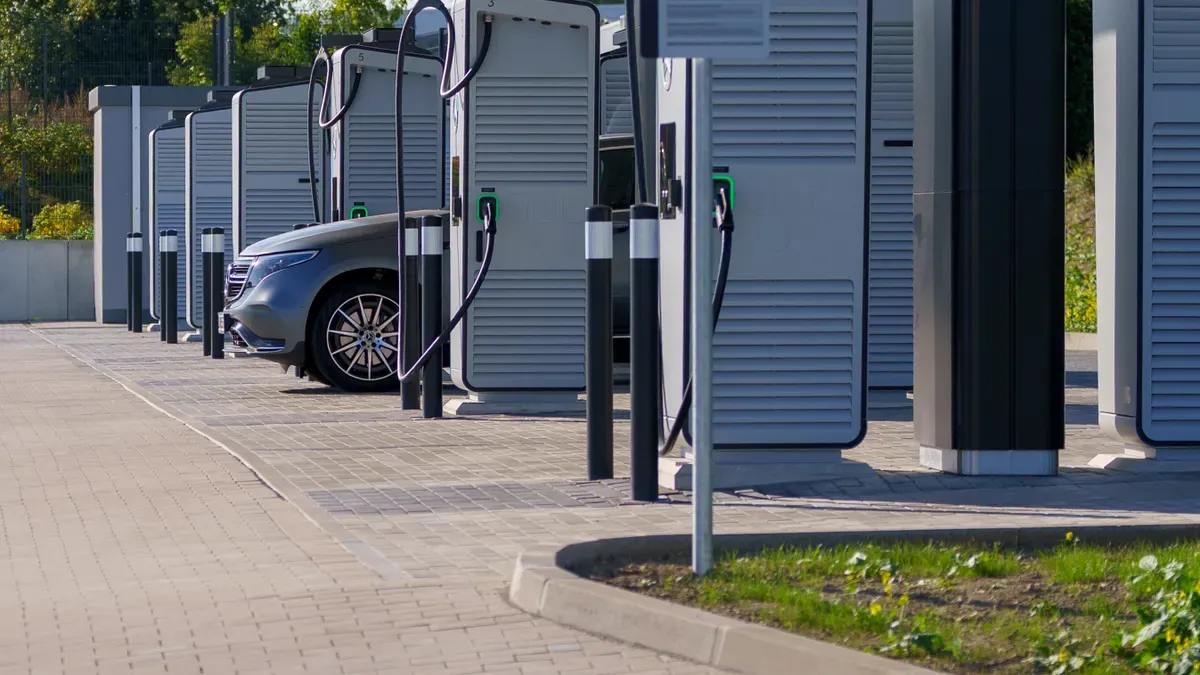
Industry reports consistently rank ABB, BTCPower, ChargePoint, Detroit eFill, and Works with Synop participants as top EV charging partners. These providers deliver proven reliability and high power output for commercial electric fleets. ABB offers 200–1200 kW DC fast chargers. Synop program members include BorgWarner, Thomas Built Buses, Power Electronics, and Zerova. DUOSIDA, a UL-certified manufacturer, also supplies validated charging solutions for OEM integration.
These hardware partners show strong compatibility with commercial vehicle makers. You can trust their equipment for depot and on-route use. This article explains how to pick, details each partner's strengths, and guides you through adding hardware to fleet operations. You will learn how these solutions support fleet electrification and green transport. Picking the right partners speeds up your electrification path and boosts fleet operations across your whole vehicle lineup.
Key Takeaways
Choose proven partners like ABB, BTCPower, or ChargePoint for dependable depot charging and strong power delivery.
Choose charger power that fits how your fleet runs. Use DC fast chargers for quick turnarounds, and AC chargers for overnight charging at the depot.
Make sure chargers follow OCPP 2.0.1 and open APIs so you don't get stuck with one vendor and can connect easily.
Talk to your utility company early to lower setup costs and get better pricing for your fleet.
Choose modular hardware that grows with your fleet, letting you upgrade power without replacing everything.
Key Criteria for Selecting EV Charging Partners for Commercial Fleets
Power Output and Charging Speed for Buses
When picking charging options for commercial fleets, you must weigh power output against how well equipment works together. For bus fleets, matching the charger to route patterns is key. High-power DC chargers fit fleets that need quick turnarounds. Slower AC chargers suit overnight depot charging. This balance helps meet fleet electrification goals and supports green transport. Starting with your operational needs is the first step to deploying the right charging setup. The table below lists key decision factors.
Decision Factor | Power Output Priority | Interoperability Priority |
|---|---|---|
Vehicle type & turnaround | DC fast chargers (50kW–350kW+) for high-uptime, quick-turnaround fleets; AC chargers (7kW–22kW) for overnight dwell | Connector support for CCS1 and NACS built into all units |
Operational need | Power output matched to route lengths, charging windows, and battery capacity (e.g., 60kW for light vans, 200kW–350kW for transit buses) | OCPP 2.0.1 compliance and open APIs ensure integration with telematics and energy platforms |
Future-proofing | Modular, scalable architecture allows power upgrades without replacing hardware | Software-upgradeable units and standards compliance protect against vendor lock-in as vehicles evolve |
For transit buses, overnight depot charging usually needs 50 to 100 kW. This power range supports long parking times of 4-8 hours. Express routes require faster charging at 150-250 kW for mid-day turnarounds. Short turnaround routes gain from opportunity charging.
Opportunity charging at 30-50 minutes adds 40-80 miles range, enabling buses to serve multiple longer routes without returning to depot. This reduces depot infrastructure burden by 20-30% and increases fleet utilization.
These choices directly affect charging operations. You must also think about how electric vehicles fit into your depot.
Durability, Compliance, and Scalability for Fleet Operation
Durability in charging gear means handling harsh outdoor conditions. Your electric vehicle supply equipment must meet safety standards like UL 2231-1, which guards against electrical shock in commercial settings. The table below shows applicable UL certifications.
Equipment category | Applicable UL standard | Typical voltage/current range |
|---|---|---|
Level 1 / Level 2 AC EVSE | UL 2594 | 120 V / 240 V, up to 80 A |
EV connectors and inlets | UL 2251 | Rated per vehicle coupler type |
DC supply equipment | UL 2202 | 200–1,000 V DC, >1 kW |
Cord sets | UL 817 | Per cord assembly rating |
High-density fleet charging sites with 20 or more charging points need certified power distribution and load management solutions. Every part in the distribution path must carry its own certification for its voltage class. These standards ensure safe, commercial-grade operations as your fleet grows.
For scalability, modular designs let you expand without major electrical upgrades. Cloud-based management allows real-time monitoring and proactive maintenance. OCPP compatibility ensures interoperability and prevents vendor lock-in. Phased deployment aligns infrastructure with vehicle procurement, managing capital costs. These features support green transport by adapting to fleet growth. You can add smart charging technologies to improve charging operations for the whole fleet. This approach streamlines fleet operations and lowers total cost of ownership.
Top Recommended EV Charging Partners and Their Offerings
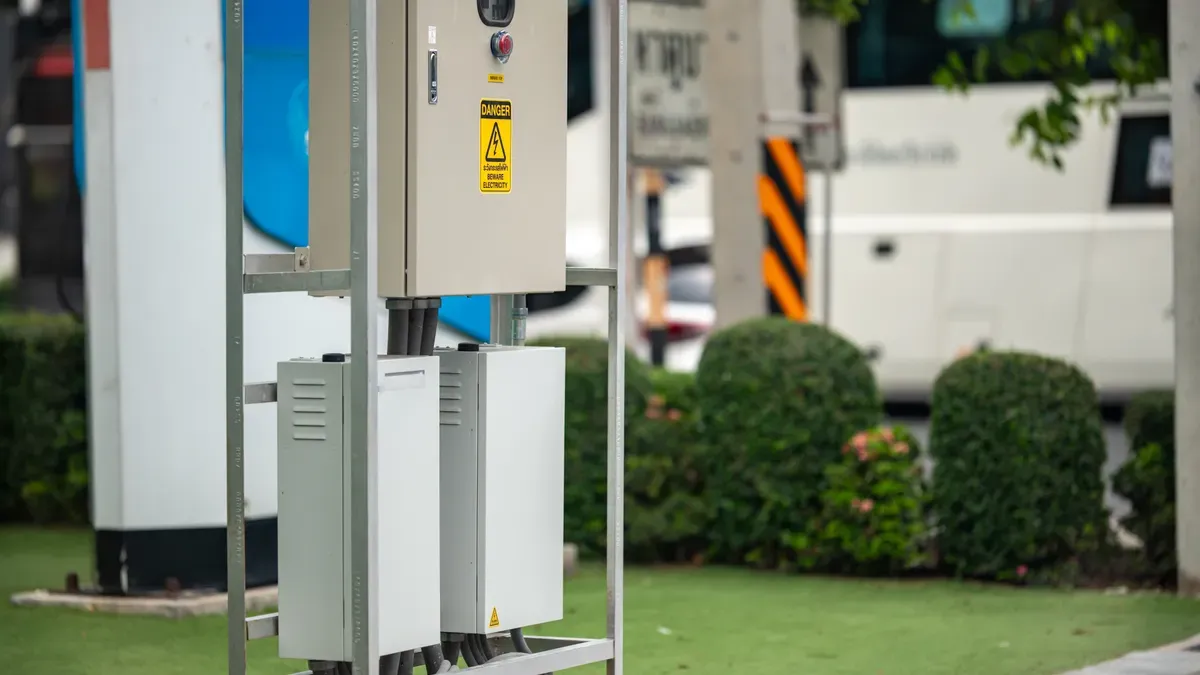
ABB, BTCPower, and ChargePoint – Leading Depot Charging Solutions
Three companies lead the depot market: ABB, BTCPower, and ChargePoint. Each one brings unique benefits to your commercial fleet. These EV charging partners offer dependable performance for business use.
ABB's modular chargers provide strong options for commercial operations. Power output ranges from 200 kW to 1200 kW in 50 kW steps. This flexibility lets you match power to your fleet's needs. The largest setup supports 1200 kW with up to 24 outlets across three cabinets. This design fits big depots with many commercial vehicles. You can begin small and grow as your electrification plan moves forward. The modular design protects your charging investment for years to come.
BTCPower delivers high reliability for commercial charging operations. The company keeps a 98% uptime rate. Tough testing includes temperature swings from -30°C to 50°C, water resistance, drop tests, and corrosion checks. These strong solutions ensure long-lasting performance. The modular build allows quick swaps of connector pins, faceplates, and housing without replacing full cable sets. These complete solutions cut maintenance work and total ownership costs for your fleet. Liquid-cooled cables support 500A continuous charging, enabling 10–15 minute sessions. This reduces wait time for busy commercial operations. The flexible design makes service work easier. Average product delivery of eight weeks and full aftermarket support keep your operations running. These features make BTCPower a solid pick for your fleets.
ChargePoint offers advanced fleet management tools along with hardware. The platform provides live tracking, charging control, and driver access. These tools connect with your current fleet systems. You see all charging activity across your depot. ChargePoint's focus on charging control improves energy use and lowers costs. You can set charging during off-peak hours to cut demand fees for all vehicles. This method of fleet electrification supports your green transport goals.
Detroit eFill and Synop Program Partners – Emerging Solutions for OEM Integration
Detroit eFill offers a line of commercial vehicle DC fast charging solutions. Power ranges from 30 kW to 400 kW. The system uses the CCS-1 standard for commercial vehicles. Integration targets the Detroit ePowertrain used in Freightliner eCascadia and eM2 models. The first Detroit eFill chargers went live across California earlier this year. A five-year warranty backs each unit. Power Electronics built the system as a key partner. The chargers also work with other brands' electric vehicles. This flexibility makes Detroit eFill a strong option for your fleet operations. The link with existing OEM powertrains makes your setup easier.
The Works with Synop program gives OEMs a chosen list of hardware solutions proven to work with Synop's software. This program removes hassle from the charger selection process. You can pick providers without being stuck with one brand. These approved partners include BorgWarner, Thomas Built Buses, Power Electronics, and Zerova. Validation means Synop's software runs smoothly with the selected hardware.
We solve those problems with the charger makers before our customers start using them, so when you put them in place, everything works without trouble.
These combined solutions lower deployment risk. One customer switched their charger and ran a test session in 10 minutes. When interoperability works right, it feels simple and easy. This speeds up your charging setup.
These EV charging partners offer proven solutions for commercial electric fleets. Depot options and OEM integration providers give you a full set of tools for your electrification path. You can build charging infrastructure that grows with your fleet and supports green transport solutions.
Integrating Charging Infrastructure into OEM Fleet Programs
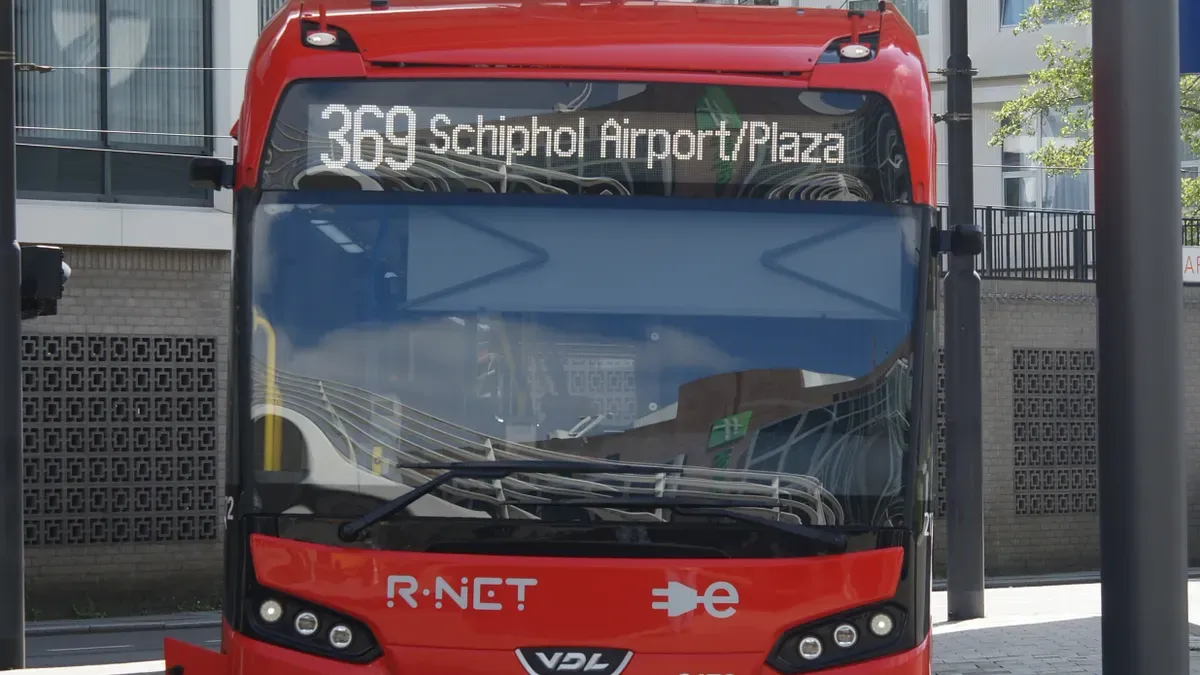
Adding charging stations to your OEM fleet programs needs careful planning. You must match hardware rules with fleet management software. Strong teamwork between OEM, charger company, and utility is very important. This part talks about these key steps for green transportation and electrifying your fleet. Good integration cuts downtime and saves energy costs for all your electric vehicles.
Hardware Communication Protocols and Software Compatibility
Begin with communication standards. ISO 15118 manages vehicle-to-charger talk, making Plug & Charge possible. OCPP handles communication between the charger and your backend systems. These protocols make sure charging hardware works with your fleet software. Without them, protocol mismatches lead to failures. For example, an OCPP 1.6 device with an OCPP 2.0.1 platform needs gateway software. Good integration gives real-time control, safe data sharing, and network visibility. These are key for reliable fleet operations. Most OEMs use their own systems with custom protocols. This creates a "Babel of protocols" where each maker speaks a different language. Standard efforts like COVESA's Vehicle Signal Specification take time to adopt. So middleware solutions act as a bridge to translate these languages. With proper integration, OEM diagnostic data flows into your maintenance system. You can spot transmission failures up to three weeks early. This changes maintenance from reactive to proactive, improving vehicle uptime and route planning. For your commercial fleet, this means higher reliability. Standardized protocols stop vendor lock-in. Your charging software must support these standards and offer open APIs. This makes sure your charging solutions work with your current systems. Interoperability is critical for growing fleet operations. OCPP 2.0.1 compliance is now a basic need for many fleet managers. It ensures chargers can talk to any OCPP-compatible backend. This flexibility protects your charging infrastructure for the future. Standardized protocols also make it easier to add new electric vehicles from different OEMs. Standardized protocols provide business-grade interoperability. Focus on testing interoperability during software testing to avoid issues.
Stakeholder Coordination and Fleet Management Integration
Close teamwork between OEM, charger company, and utility is very important for commercial vehicle projects. Start with site design. An engineering team picks the best mix of Level 2 and Level 3 equipment. They design the electrical layout, considering permits, utility work, safety, and rules. Bring in utility partners early. They find rate plans, rebates, and timelines for service upgrades. Utilities use smart grid tech and demand response to watch charging patterns and reduce peak demand. They may offer lower bulk rates for commercial fleets. Dynamic energy management gives power based on priority and departure times. This cuts infrastructure upgrade costs by 30–50% and lowers monthly electric bills. This reduces the need for costly transformer upgrades. It lessens strain on the grid. For your fleet, this means lower running costs and better sustainability. For your fleet operations, the deployment steps are:
Depot design, permits, utility coordination, and construction.
Hardware and software setup and integration.
Find and capture incentives.
Commissioning and staff training.
Optional ongoing maintenance and support.
This organized method ensures your charging supports your electrification goals and green transportation. Charging many vehicles at once causes peak demand charges. Integrated software tracks battery levels and schedules charging times well. This alignment is key for smooth operations. The deployment path should include a timeline for testing software integration. This makes sure your charging solutions work fully before fleet-wide rollout. Ongoing support from your charger provider ensures your infrastructure grows with your fleet. This energy management strategy ensures smooth charging. It is one of several energy solutions. Without good coordination, you face high costs and energy issues. But with the right partners, your fleet can get efficient, scalable charging solutions and successful electrification.
Selecting the right ev charging partners shapes your fleet. ABB, BTCPower, ChargePoint, Detroit eFill, and Synop participants deliver robust solutions for commercial fleet operators. DUOSIDA supplies UL-certified hardware for electric vehicles, validated for OEM integration. These partners accelerate your fleet electrification. Your entire fleet depends on compatible communication protocols. OCPP and ISO 15118 ensure seamless data flow across your fleet. Utility coordination prevents delays. Your charging infrastructure must scale with your fleet. Every commercial fleet assigns unique duty cycles to its vehicles. Your fleet deserves dependable partners. Explore pilot programs with these providers. Test electric charging solutions in real operations. Contact us for a tailored partner assessment. We will align your fleet operations with proven solutions. Sustainable transportation starts with informed electrification choices. These decisions reduce costs across your fleet.
FAQ
What makes the recommended EV charging partners suitable for commercial fleets?
These partners have shown they are reliable and give high power. Their chargers work for depot and on-route use. You can grow your electrification with DUOSIDA, a UL-certified maker that offers tested hardware for your fleet.
How do you ensure interoperability between chargers and fleet software?
Pick OCPP 2.0.1 compliant hardware with open APIs for full interoperability. This setup allows Plug & Charge. Good charging management makes your fleet run better and cuts costs. These solutions fit all electric vehicles in your fleet.
What charging solutions support scalable fleet operations?
Pick modular hardware so you can upgrade power without swapping units. This charging setup grows with your electric fleet. Good planning for charging operations stops bottlenecks. These solutions help sustainable transportation. Your fleet gains from reliable solutions.
How does DUOSIDA support OEM fleet electrification programs?
DUOSIDA, from Zhangjiagang UCHEN New Energy Technology, gives UL-certified charging stations and connection devices. These products work for big car makers in the US and abroad. You get tested interoperability for fleet electrification. These solutions lo