
Top EV Charging Equipment Manufacturers for Hotels in 2026
 2026-09-01

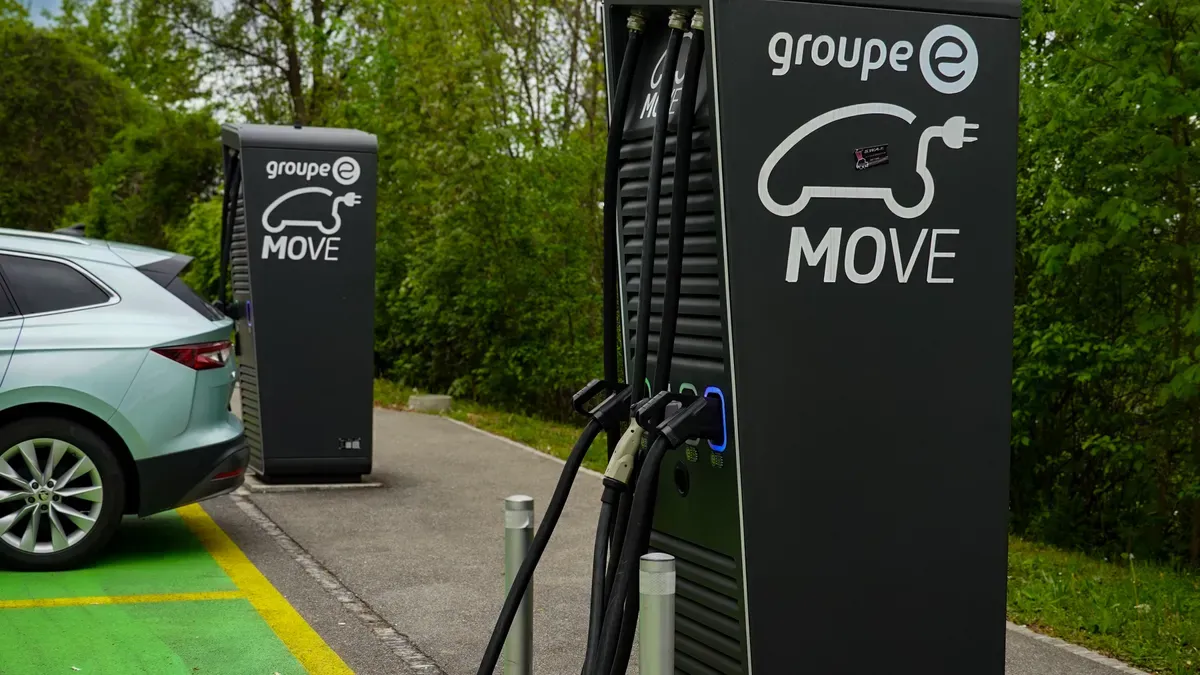
Which EV charging equipment manufacturers will lead hotels in 2026? ChargePoint, EVgo, Blink, and Tesla top the list. Your pick depends on reliability, cost, smart features, and how well it fits your destination.
Market trends back this investment. Global EV charging stations hit USD 44.5 billion in 2025, with 2026 forecasts above USD 24.7 billion. Hotel charging management reached USD 2.17 billion in 2024, and it keeps growing fast through 2033. These numbers show a clear pattern.
You need hardware that balances guest happiness with smooth operations. This guide helps you judge each option. Every EV charging equipment manufacturer brings unique strengths for destination charging. Your property's specific needs decide the winner. We weigh each choice against your business goals.
Key Takeaways
Choose ChargePoint or EVgo for luxury hotels; they provide dependable service and useful smart tools.
Level 2 chargers work best for hotels because they fit guest overnight parking.
Smart energy management reduces costs and helps reach environmental goals.
Begin with a small number of charging stations, then add more as more people need them.
Federal incentives can pay for up to 30% of installation costs, making EV charging a smart investment.
Key Criteria for Selecting EV Charging Equipment Manufacturers
Reliability and Uptime Requirements for Hotel Charging Stations
Reliability is your top concern. Your guests expect a charger to work every time they use it. ChargePoint meets this need with modular design and cut-resistant cables. These features cut downtime and repair costs.
Top companies share clear uptime promises. The table below shows what you can expect:
Manufacturer | Uptime Guarantee |
|---|---|
AmpUp | 98.5%+ success rate (mentioned) |
FLO | At least 98% (guaranteed) |
Level-2 charging stations fit hotels best. Your guests park for hours while they sleep. These stations match that pattern. A guest plugs in at night and wakes up to a full battery. This removes range anxiety.
Your setup must serve public and private needs. Public access meets rules. Private charging options give you control. Pick charging stations that suit your property.
Smart Energy Management and Destination Charging Features
Smart features improve your destination charging offer. Destination power saves time on multi-day trips. A Tesla Model 3 trip saved nearly two hours using destination power. Guests find this very appealing.
Power availability affects booking choices. An 80% figure from a 2024 Virta survey shows this. A 2025 Boutique & Luxury Lodging Association survey adds more. 91% of EV drivers prefer hotels with power. Nearly 75% will pay higher room rates. EV drivers become repeat guests. EV adoption keeps growing.
Your guests stay on-site longer when a power unit is available. They spend more. They do not need to leave to refuel. They pay more for parking. Electric vehicle charging becomes a revenue source.
Valet services with notifications create a smooth experience. Waitlist capability lets guests queue. These features boost satisfaction. An EV charging unit becomes a key amenity. Electric vehicles benefit from overnight Level-2 power. Other vehicles benefit too.
Smart management helps you balance power loads. You avoid peak demand charges. Your utility bill stays manageable. This supports sustainability goals. Adoption of these technologies will grow. EV charging becomes both a guest amenity and a business edge. Adoption rates rise as hotels enter the market.
Top EV Charging Equipment Manufacturers for Destination Charging
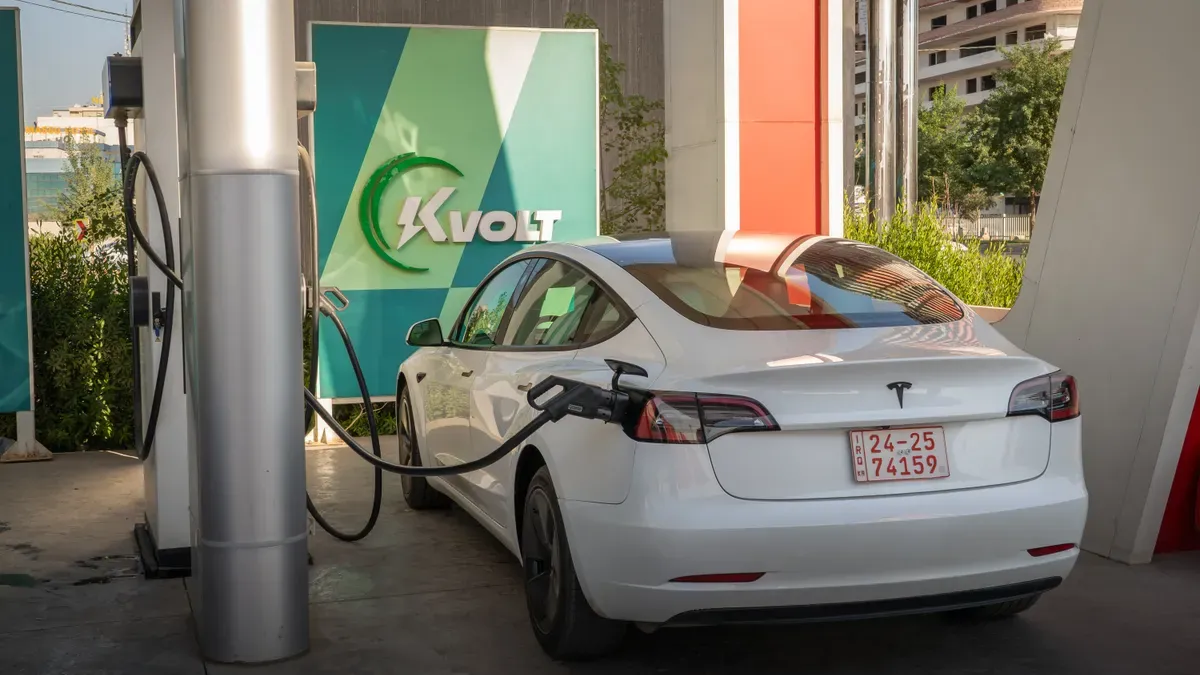
ChargePoint and EVgo: Leading Solutions for Hotel EV Charging
ChargePoint stands out among EV charging equipment makers because it designs everything itself. The company builds its hardware from the ground up, which means better quality control for you. Their Omni Port technology fixes a big guest problem: connector compatibility. This system works with any electric vehicle on the road today. It automatically adjusts to CCS1/J1772 or Tesla's NACS connector. Your guests never have to guess which station works for their car. They just plug in and charge.
The CP6000 station with Omni Port fits hotels perfectly. You get universal, adapter-free compatibility in every unit. This makes site planning easier and saves money. You avoid installing separate stations for different connector types. Your guests also wait less because any driver can use any station. This flexibility matters as electric vehicles become more common.
EVgo takes a different path. The company builds strong partnerships with major hotel chains. Marriott, Hyatt, and Holiday Inn properties feature EVgo charging stations. These partnerships attract repeat guests who know they can charge reliably. EVgo focuses on creating a smooth experience from booking to departure. Their charging network works well with hotel operations.
Both manufacturers understand your core need: reliable charging that keeps guests happy. ChargePoint offers modular design that makes repairs simple. EVgo provides proven performance across hundreds of hotel properties. Your choice depends on your property's specific needs and existing setup.
Blink and Other Emerging Players in the Destination Charging Market
Blink offers a helpful guide for hotels and resorts entering the EV charging space. The guide walks you through a clear process. First, check guest demand through surveys and state-level EV adoption data. Second, do a site assessment with an electrical contractor. Review power capacity, permits, and connectivity options like Wi-Fi or 4G. Third, pick charging spots near power sources and easy parking. Fourth, choose station types that fit your needs. The Blink Series 7 works well for valet and RFID access. The Series 8 includes a credit card reader for public use. Fifth, join the Blink Network to control access and set custom pricing. Sixth, find funding through federal programs like NEVI.
Blink highlights the business case for hotels. EV drivers statistically have higher disposable income. They spend more at on-site amenities and book longer stays. The 78% of luxury travelers who prefer sustainable businesses will notice your commitment. Blink also helps you fill gaps in rural areas, which unlocks tax incentives and brings tourism. You can earn revenue by charging the service to the guest's room.
Other players deserve your attention. EV Connect focuses on software that manages charging networks across multiple sites. SWTCH specializes in multi-tenant properties, making it ideal for hotels with mixed-use developments. Tesla offers fast-charging solutions that appeal to Tesla owners specifically. Each option serves different parts of the destination charging market.
Your decision among these EV charging equipment makers should reflect your property's size, budget, and guest profile. The right partner turns charging stations into a competitive advantage.
Cost and Installation of EV Charging Stations for Hotels
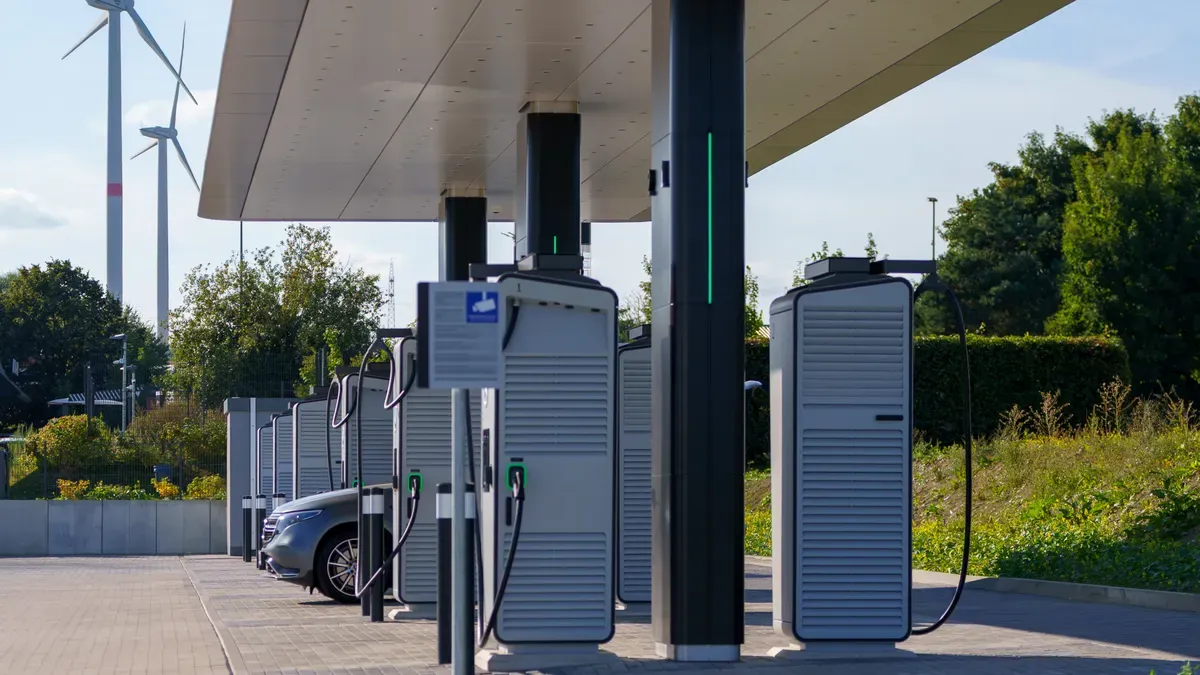
Upfront Costs vs. Long-Term Value for Hotels
You face a clear cost gap between charger types. Level 2 units cost far less than DC fast chargers. The table below shows the difference:
Cost Component | Level 2 Charger | DC Fast Charger (Level 3) |
|---|---|---|
Hardware Cost | $300 – $1,390 | $40,000 – $175,000 |
Installation Cost | $800 – $3,000 | Tens to hundreds of thousands |
A standard networked hotel unit runs $4,000 to $15,000 total. That price includes panel upgrades, conduit, and hardware. Network-connected units add $1,500 to $3,000 per unit. These numbers make Level 2 the smart choice for most properties.
Your long-term returns justify the investment. Federal incentives cover up to 30% of installation costs or offer up to $100,000 per charger. Real-world case studies show hotels recouping six-figure investments in under two years when pricing and marketing align.
Smart features boost your savings further. Power sharing distributes electricity across multiple ports. Time-of-use optimization shifts charging to off-peak hours. Peak management limits total power output. These tools prevent costly demand charges.
Installation Complexity and Scalability Options
Retrofitting existing parking areas presents several challenges:
Upfront cost – the most common barrier to hotel EV charging installation.
Power limitations – older properties may have electrical capacity issues.
Space constraints – structured parking with limited conduit routing adds costs.
Utility upgrade lead times – delays between approval and operational readiness.
Retrofitting existing buildings with EV charging stations is challenging because older buildings weren't designed with the electrical infrastructure to support many charging stations. However, a booking system can help, since even relatively slow chargers only need a fraction of the time that cars tend to be parked. As one expert notes: "Charging stations for 100% of spots is unlikely for existing electrical infrastructure at most properties, but you can probably stretch it to about 20% to 30% of the parking stalls."
The DCAV initiative ensures fast-charging coverage at destinations. This program supports your installing destination charging infrastructure. You can start small with a few Level 2 units. Expand later as demand grows. This phased approach keeps your initial costs manageable.
Your property can serve both public and private charging needs. Public access meets regulatory requirements. Private charging options give you control over usage. Many hotels find success by offering private charging to guests while keeping some public units available. This strategy works well for retail and shopping centers too, where visitors need convenient charging options.
Choosing the Right EV Charging Solution for Your Hotel
Matching Manufacturer Strengths to Hotel Size and Budget
Your hotel's size and budget decide which EV charging equipment maker is the best fit. A chart helps you compare their strengths. Busy, high-end hotels should pick ChargePoint or EVgo. These brands have top features and strong reliability. They help you get repeat guests. The hospitality industry spends a lot on EV charging. Hotels offer free EV charging to stand out and make guests happy. Your guests like this service.
Hotels on a budget can choose Blink or SWTCH. These cost less at first. They still give your guests good service. Blink has a simple guide to set up. SWTCH works well for buildings with many tenants. Your choice depends on how many guests you have. It depends on your budget. It depends on your future plans.
Future-Proofing with Smart Charging and the DCAV Initiative
Smart features protect your investment over time. V2G technology lets you use EV batteries to balance power demand. This means you do not need to add more electrical capacity. You avoid costly upgrades. Short spikes in power use are balanced by EV batteries. You do not need extra power from the grid. This technology lowers your total cost. It also lets you earn money by offering grid services.
Dynamic Load Management helps you put charging stations anywhere. The system works no matter how much power your building can handle. AI-powered energy management makes charging better. It cuts operational costs. It spreads energy use across your property. This helps your green goals.
The DCAV initiative keeps your destination up to date. This program supports charging at travel spots. Your property gains from smart systems. You prepare for more EV drivers in the future. Smart charging technology keeps growing each year. Electric vehicles become more common. Your stations serve both guests and the public. Nearby stores also benefit from your setup. Sustainability becomes a key part of your brand.
Your choice among ev charging equipment manufacturers depends on your property's specific needs. ChargePoint, EVgo, and Blink each offer distinct advantages for destination charging. Level 2 charging stations work best for overnight guests. These units take 4-8 hours to charge, matching typical dwell time. Start with a pilot of few stalls. Measure utilization and guest feedback. Expand based on demand. Avoid common mistakes like neglecting operations or failing to integrate the amenity into your booking platform. Smart energy management with renewable sources can further reduce operational costs. These trends will shape the 2026 landscape. Evaluate your property's ev charging needs today. Request demos from these top manufacturers. Secure a destination competitive edge for 2026.
FAQ
How much does a hotel EV charging station cost?
A networked Level 2 unit costs $4,000 to $15,000 total. This price includes hardware, installation, and panel upgrades. Federal incentives cover up to 30% of installation costs. Many hotels recover their investment within two years through guest spending and charging fees.
Which charger type works best for hotel guests?
Level 2 chargers suit hotels best. Your guests park for hours overnight. These units deliver a full charge in 4-8 hours. DC fast chargers cost far more and provide speed your guests rarely need. Start with Level 2 units for your property.
How long does installation take?
Installation timelines vary by property. Retrofitting existing parking takes longer than new construction. Older buildings may need electrical panel upgrades. Utility approvals can add weeks. Plan for 4-8 weeks from assessment to operation. A phased approach lets you start with fewer units and expand later.
How do I choose between ChargePoint, EVgo, and Blink?
Match the manufacturer to your property size. High-traffic luxury hotels benefit from ChargePoint or EVgo. Budget-conscious properties find Blink or SWTCH more affordable. Consider your guest profile, existing infrastructure, and long-term expansion plans. Request demos from each manufacturer before deciding.
Can charging stations generate revenue for my hotel?
Yes. You can charge guests per session or add fees to room bills. EV drivers spend more at on-site amenities. Smart pricing during peak hours increases your returns further.