
These Are The Top Charging Connector Electronic Lock Suppliers Of 2026
 2026-08-19

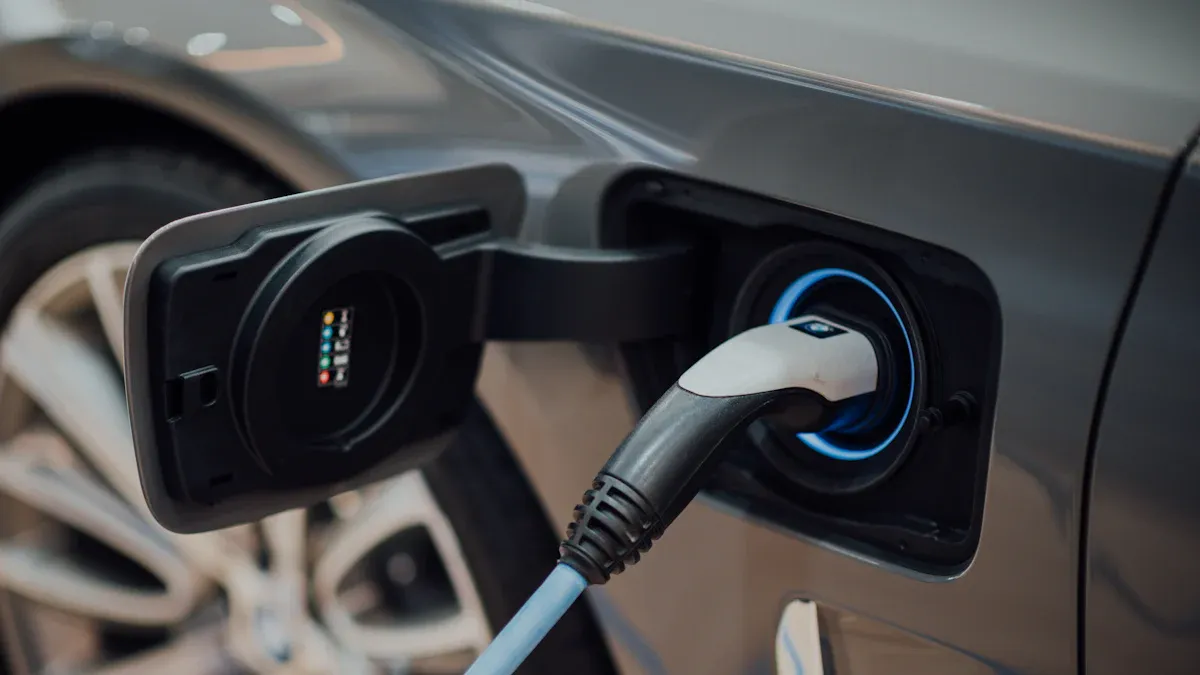
Engineers pick dependable electronic parts for EV charging connectors across the global electric vehicle market. Important global sellers include Phoenix Contact, TE Connectivity, Amphenol, Yazaki Corporation, Sumitomo Electric, and DUOSIDA. These companies make exact locking parts for EV systems and public charging station setups. Modern vehicle inlet actuators must follow strict EV charging rules. Design teams check each charging connector lock using tough hardware measurements. High-quality locks offer fast unlocking speeds under 300ms. Long-lasting parts give strong IP67 or IP69K water protection against heavy sprays. These tough parts safely lock high-power equipment during active charging times on regular cars.
Key Takeaways
Leading world companies like Phoenix Contact, TE Connectivity, and DUOSIDA make reliable electronic locks for electric cars.
Smart charging locks stop people from accidentally pulling out cords and prevent dangerous electric sparks when sending high-power electricity quickly.
Inside sensors check the real location of the lock pin before safely letting power flow into vehicles.
Manual emergency pull cords help drivers quickly disconnect charging cables if the station suddenly loses power.
Leading Suppliers Securing EV Charging Connectors
Top hardware makers create dependable lock parts that protect EV charging connectors while power flows. These smart tools hold the charging line tight to prevent accidental unplugs during big energy transfers. Sturdy mechanical latches safeguard both power station units and everyday passenger cars.
Phoenix Contact CHARX Systems
Phoenix Contact crafts advanced motorized latches inside their popular CHARX connect product lineup. These versatile devices fit both AC charging ports and high-power DC fast-charging ports easily. Each motorized locking unit features tiny 50.5 x 44 x 23 mm body dimensions. A super quiet gear system pushes the inner lock pin very smoothly. The self-locking tool design stops physical interference whenever high electrical current is flowing.
An internal sensor system electronically checks up to five different lock bolt spots. A fast snap-action micro switch delivers quick signal responses when checking lock security. These clever sensors spot bad locking positions caused by trapped dirt, ice, or bent plugs. Special options help these tools talk through CAN, LIN, or PLC communication networks.
Specification | Details |
|---|---|
Ingress Protection | IP67 rated, dust-tight, withstands 1 m immersion for 30 minutes |
Cycle Life | 60,000 guaranteed locking cycles, up to 100,000 after technical review |
Position Sensing | Measures up to 5 bolt positions with rapid snap-action detection |
Interface Customization | Supports CAN, LIN, and PLC protocols with custom bolt shapes |
TE Connectivity Lock Actuators
TE Connectivity builds small solenoid and stepper motor locks for harsh road conditions. Their engineering teams test these latches up to 80,000 plug cycles to ensure steady daily use. These components satisfy major global rules including IEC 62196, GB/T 20234, and SAE J3400. Each actuator part operates smoothly in extreme cold or heat from -40°C to +85°C. Tough outer seals meet ISO 20653 IP65 and IP67 ratings to stop dirt and water. Shake testing under ISO 16750 and LV214 proves strong mechanical endurance on bumpy road surfaces.
Other top companies make adaptable locking hardware for modern vehicle inlet designs worldwide. Amphenol creates flexible lock parts that work with Combined Charging System units and NACS plugs. Their products deliver strong holding power to secure heavy charging lines safely inside any plug casing. Tech teams check every station plug shell carefully to confirm perfect latch alignment under heavy strains.
DUOSIDA provides high-performance EV charging plugs and locking parts for customers across the globe. DUOSIDA builds safety-tested car parts carrying official UL, TUV, and CE quality stamps. Their high-tech factories follow strict automotive rules such as IATF 16949 standards. These strong locking products grab a car inlet frame tightly during heavy power delivery. Tough lock actuators lower electrical dangers while fast DC charging happens on any vehicle port. Crafting groups choose a tested charging connector lock to safeguard new automobile builds for global drivers. A tough plug connection setup stops dangerous electrical sparks and guarantees many years of service.
Top Component Makers for Vehicle Inlets
Major car parts makers guide growth in the global EV field. These expert shops build dependable lock motors for high-voltage car ports. Auto companies need strong parts to hold fast EV charging lines safely while sending big power. Zhangjiagang UCHEN New Energy Technology Co., Ltd. sells these vital pieces under its DUOSIDA label. Founded back in 2004, DUOSIDA trades on the New Third Board Innovation Layer as stock 873087. The firm holds global safety passes like UL, CSA, TUV, CE, PSE, and IATF 16949. Modern electric cars rely on certified makers to stop loose plugs and guard tender power gear.
Yazaki Connector Lock Actuators
Yazaki Corporation makes huge numbers of car port locks for big vehicle brands everywhere. The firm places small lock motors straight into the power sockets of standard passenger cars. Built-in position checkers track the exact spot of the pin inside the lock body. These inner tools quickly send live status updates back to the main car computer. That main computer blocks electricity from moving until the motor grabs the plug completely. This automatic check shields high-voltage car gear from dangerous spark flashes. Yazaki builds these lock motors to survive strong heat growth and harsh road shakes. Vehicle factories place these standard parts directly onto production lines to reduce overall build costs.
Sumitomo Electric Mechanisms
Sumitomo Electric builds special electronic locking tools for high-power EV systems. High physical holding strength marks all Sumitomo lock models. The sturdy lock pin fights back against strong tugs on the plugged-in charging cord. Strong holding power stops strangers from pulling cords during public power stops. Sumitomo designers fit smart water seals inside every motor housing case. Great rubber rings and tight outer edges pass ISO 20653 safety tests for water defense. These shield walls block high-pressure spray and road salt from reaching the inner gear space. Strong sealing helps parts last longer during cold winters when ice often jams bare latches. Internal spring tools rapidly snap the inner lock pin back to the open spot during power stops.
Choosing correct hardware stays crucial for every electric car design. Sumitomo Electric tests each plug lock system using strict car rules like LV214. The tough connector pin works easily across huge temperature shifts from freezing winters to hot summers. Modern power stations and car ports need exact fitting connections. A top charging connector lock holds the full plug steady during long power runs. System planners look for strong builds when picking these heavy-duty latch tools.
Car firms check part toughness across the whole supply trade. High-power charging calls for complete contact firmness between metal pins. A loose plug pin can create extra heat during quick power boosts. Locking tools made by Yazaki, Sumitomo, and DUOSIDA stop cord shifts during active power flow. Every special EV build uses these safety locks to ensure secure fast charging work. Trusty electronic locks stop human tampering at open road charging spots. Design crews pick these proven part makers to promise long-term safety for every electric car. Proper lock parts ensure easy user runs for drivers everywhere while keeping solid plug safety constantly.
EV Charging Standards and Lock Compatibility
Worldwide EV charging rules set strict physical and electronic safety steps. Electric car designs rely on exact locking parts while power flows. Makers build hardware so parts work together across different charging networks.
CCS and NACS Lock Integration
Modern DC fast charging needs strong physical latches to stay safe. The Combined Charging System puts an electronic lock right inside the car port. This setup grips the heavy charging line tight during high-voltage power stops. Tech teams setup software tools to check the lock before power moves.
North American rules put locking jobs on the car port for AC and DC fast charging. This design makes it easier for different charging networks to fit together. Built-in tools handle communication steps using the Open Charge Point Protocol to time the pin release. New setups also support two-way power sharing safely. Good latching stops spark flashes, which shields fragile car parts while power transfers.
Type 2 Station Socket Locks
European charging networks put lock motors right inside the station outlet. These station tools hold the EV connector tight during regular AC charging. Smart power units run programmed steps to control the lock movements automatically. A special solenoid electromagnetic lock provides fail-safe safety for every charging station setup.
Category | Specification |
|---|---|
Lock mechanism | Solenoid electromagnetic lock, fail-safe design |
Electrical rating | 12V DC / 24V DC configurable |
Power consumption | 5W standby, 15W actuation |
Holding force | ≥200N |
Mechanical endurance | More than 50,000 actuation cycles, 100% duty cycle |
Response time | <100ms |
Operating temperature | -25°C to +70°C |
Protection rating | IP54 |
Housing material | Reinforced PA66, UV-resistant, flame-retardant UL94 V-0 |
Core material | Stainless steel with anti-corrosion coating |
Station builders test these lock parts against official charging rules. Lock motors made for IEC 62196 standards promise solid grip during bad weather. Strong hardware design ensures easy fit across global EV charging plugs and station setups.
Station Lock Solutions from Infrastructure Leaders
ABB and Siemens Integration
Top utility companies craft strong hardware for electric vehicle charging stations worldwide. Big global suppliers put automatic locks inside each powerful fast-charging hub. ABB and Siemens make special digital gear to help high-voltage power networks. These EV setup teams keep lock parts working well across any business charging site. Smart hardware engineers use open network protocols to handle live lock orders fast. These clear lines give total control over the metal lock pins while sending active power.
Siemens fits automatic pin systems into station boxes to make everything work together easily. Modern EV gear relies on smart power rules to lock the plug socket safely. The main station computer checks the lock pin spot before turning on high power streams. This smart check stops quick cord pulls while the station handles heavy daily use. Operating units use open network signals to manage user access without any trouble. DUOSIDA parts frequently help these power systems by giving approved hardware pieces. These solid parts boost overall EV success across every open charging route.
Schneider Electric Component Hardware
Schneider Electric delivers tough lock pieces for flexible power station setups. Their production crew builds locking parts that match all global charging rules. These inner components shield electrical contacts inside every EV dock. High-performance locks stop dangerous spark jumps while sending fast high-voltage power. Precise control signals order the lock pins to grab the car plug right away. Station computers send special codes to confirm tight lock holds before releasing high voltage. This strong metal safety step keeps modern charging hubs totally secure for everyone.
Flexible gear setups boost broad part matching across different fleets of electric cars. Schneider Electric tests every lock piece against strict electric car charging rules. Dependable lock motors stop people from unplugging cords while sending energy to cars. These smart tools read digital orders from main station computers very well. DUOSIDA works with top global makers to provide fully certified wire connector parts. These combined setups shield public hubs well, and power crews trust these tested tools.
Vehicle Inlet vs. Charging Station Locks
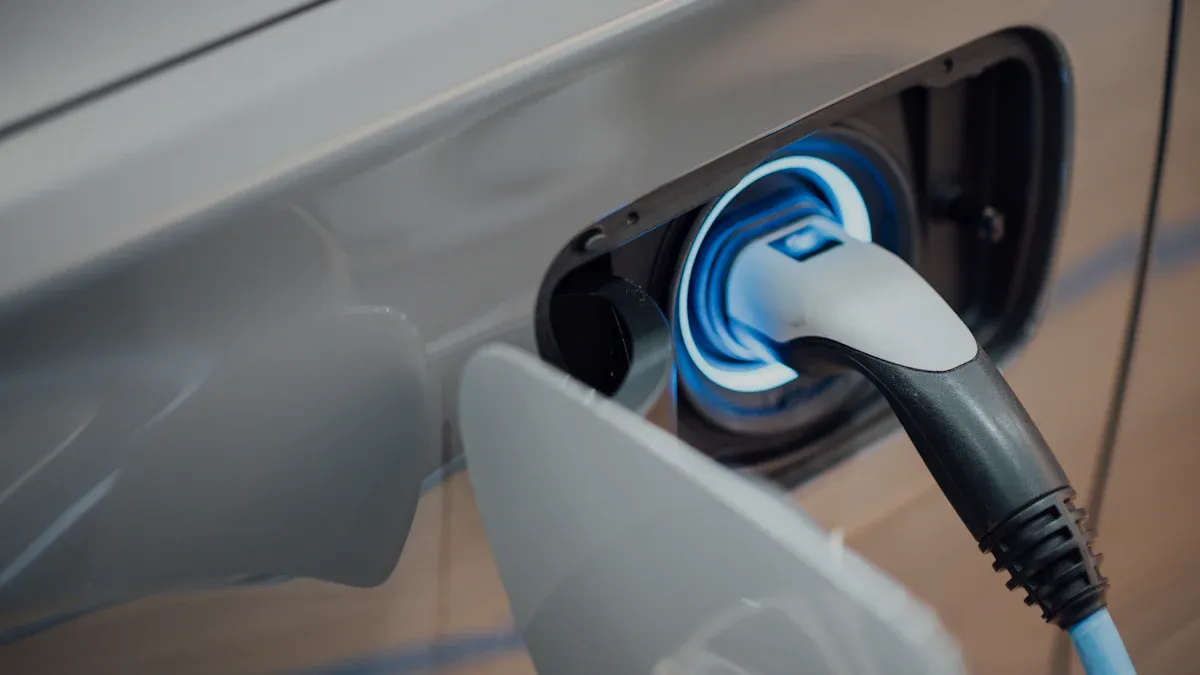
Vehicle Inlet Locking Demands
Electric cars put automatic lock parts straight into their charging ports. Engineers build these vehicle pieces to grab the cable tight during high-power charging. Auto rules require tiny motor cases that use very little electric power. Drivers want smooth runs during daily ac charging and dc fast charging on new ev cars. System designers focus on hardware interoperability to ensure proper mechanical fit across different plug brands. Car makers demand small locking tools that fit inside very tight port spaces.
Built-in car lock motors stop accidental unplugs while power flows into electric vehicles. The inner pin holds ev charging connectors tight to stop dangerous electrical sparks. Rough road shake tests prove long-term lock durability over thousands of inlet operational cycles. Makers add electronic position sensors to check full pin movement before starting any power flow. Special emergency pull cords let drivers unlock plugs by hand if the car loses all power.
Charging Infrastructure Needs
Public charging stations need different hardware features for their electronic locks. A public charging station uses heavy-duty motorized locks inside wall plugs or attached holsters. Station owners need maximum mechanical retention forces to prevent physical vandalism at open sites. Network leaders send digital lock codes across the system to manage user access easily. These tough latches work non-stop during high-power dc fast charging under very bad weather.
Strong equipment parts keep things working smoothly across all kinds of ev models. The station motor locks the cable plug tight until the user finishes paying for power. Advanced dc fast charging hubs rely on fast motor locks to keep people safe near high voltage. Every ev driver gets reliable physical protection while charging up their cars. Top-quality lock parts improve ev station work worldwide while guarding expensive power gear.
Selecting the Right Charging Connector Lock
Actuation and Feedback Metrics
Engineers review clear real-world performance numbers when picking electronic lock actuators for ev charging connectors. Hardware designers look for fast movement, long physical life, and solid status feedback. They test these main facts using tough car industry testing rules.
Selection criterion | Evidence from source | Practical implication for engineers |
|---|---|---|
Actuation response time | Lock/unlock cycle completed in ≤300 ms at 12 VDC. | Supports fast connector locking and release during charging. |
Locking force | Positive-lock latch holds the connector under vibration and pull forces; no numeric force rating is provided. | Provides qualitative retention assurance rather than a numerical pull-out force value. |
Cycle life | Minimum mechanical life of 60,000 lock/unlock cycles. | Offers a durability baseline for service-life and maintenance planning. |
A quick locking speed clamps high-current metal pins before power starts moving. This fast action improves safety during dc fast charging and smart two-way power transfers in daily use. Good status sensors show the true internal pin spot, which helps different car ports work together easily. High cycle ratings stop early lock breakdowns over many years of normal ev socket use.
Emergency Manual Release Features
Power loss creates tough operational problems at open public charging station spots. System designers add simple hand release parts into vehicle inlet hardware to shield ev vehicle systems during power stops. A tough mechanical pull cord lets drivers untangle a trapped connector during sudden power drops or broken lines.
Emergency manual release cables ensure user safety by allowing mechanical unlocking without electrical power.
Hand release parts must endure hard yanks without snapping inner gear wheels. Engineers hide these backup cords behind normal trunk access doors or inside wheel wells. Proper cord placement keeps simple physical interoperability going across different connector shells. Top suppliers like DUOSIDA build tough parts that endure bad weather, backing safe dc fast charging and simple ac charging in new ev cars. Smooth hand controls shield both the ev unit and the external charging connector during high-power dc fast charging stops.
Engineers review main suppliers like Phoenix Contact, TE Connectivity, Amphenol, Yazaki, Sumitomo Electric, and DUOSIDA in the electric vehicle field. Buyers look at key performance facts for every ev charging connector. Good suppliers build the global ev market with quick lock movement and strong water seals. Choosing parts with location sensors and hand release options keeps public charging safe. These smart features help all car ports follow tough ev charging rules. Strong lock parts give lasting agreement with international rules while cars fill up. Great components shield high power charging spots, home charge docks, and business power units. Wise hardware choices keep new ev charging connector systems safe everywhere.
FAQ
What triggers the lock mechanism during EV charging sessions?
Main station computers transmit electronic signals using setup networks. These networks confirm proper plug fits before high-voltage power moves. An automatic latch grips the power plug tightly. This step protects car hardware while fast charging runs.
How do EV charging standards ensure hardware interoperability?
Global EV rules state exact latch shapes and metal pin sizes. Car systems follow network rules like CAN or LIN to guide pin movement. These shared rules help different power stations safely grip any standard car port while active charging happens.
Why do electronic locks use specific communication protocols?
Smart systems use special networks to report lock pin spots right away. These setups find dirty or blocked port pins quickly. Trusty networks block power movement whenever the inner lock fails to grab the power cord correctly.
Can drivers unlock charging connectors during power failures?
Yes. Simple hand releases let drivers unhook any power cord safely during unexpected blackouts. Built-in cords move mechanical pins without any electric power. Makers like DUOSIDA build these safety tools to protect daily charging tasks.