
7 top EV charging manufacturers providing end-to-end hardware and platform solutions
 2026-08-20

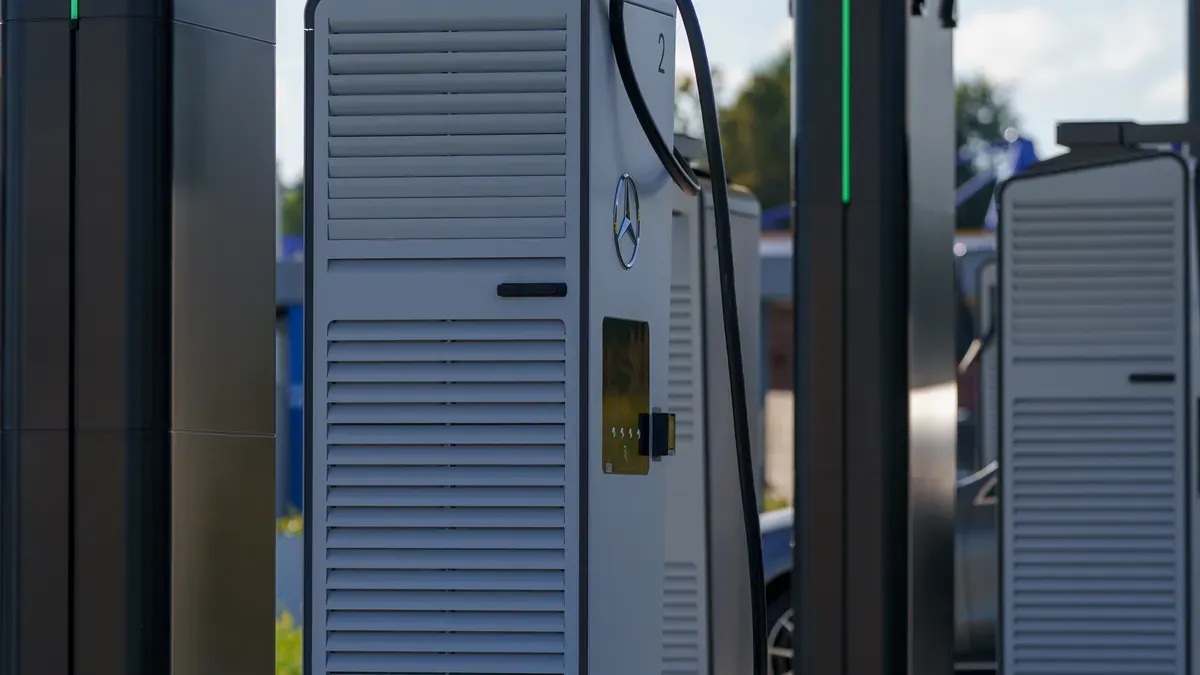
Leading EV charging manufacturers like ABB, Siemens, ChargePoint, EVBox, Tritium, Tesla, and Blink Charging build complete hardware and software systems. These connected systems join physical boxes, power parts, built-in code, local processing, and cloud management tools into single networks. You need reliable EV charging hardware to send electricity safely across working stations. Today, modern charging systems simplify daily tasks through strict Open Charge Point Protocol rules, flexible power grid controls, deep software connections, and strong power output levels. Choosing fully connected gear helps you manage running costs while safely growing your business EV network. You get total control over your power equipment.
Key Takeaways
Leading EV makers join hardware and cloud software into simple connected systems.
Flexible equipment setups allow property owners to increase their power output as their company expands.
Online control systems send fast alerts and let users fix problems from far away to cut repair expenses.
Open OCPP standards give you the freedom to choose and change management software easily.
Smart load management controls active charging power to stop high electric company fees.
ABB E-Mobility
High-Power EV Charging Hardware
You can grow your network fast using strong ev charging hardware from ABB E-Mobility. ABB builds official electric vehicle supply equipment designed for busy business locations. Their wide product lineup ranges from small AC wallboxes for overnight fleet parking to super high power charging units for highway stops. You pick flexible power setups that fit your specific vehicle needs and location limits. Simple power cabinets lower total setup difficulty and make expanding your growing ev business much easier later on.
ABB leads dc fast charging design for large transit systems and commercial delivery fleets. Their ultra-fast dc fast chargers supply huge power levels up to megawatt amounts for big electric trucks and city buses. This global ev charging equipment relies on liquid-cooled charging cables and modern power converter parts. You keep stations running constantly with high energy efficiency for every ev in your fleet. Tough outer cases protect inside electronic parts from bad weather and heavy daily use.
Charger Connect Software Ecosystem
You link every physical station to business cloud software using the ABB Charger Connect system. This digital platform smoothly connects your ev hardware with helpful management tools. Built-in edge computing parts handle site data right on location for faster responses. Connected IoT tools send important operating data over safe cellular networks continuously. You get total control and clear views of all your ev charging stations through one simple management screen.
Live health tracking tools let you spot station issues before they affect drivers. Built-in internal sensors track working temperatures, grid power stability, and physical cable damage constantly. The main software platform uses these system reports to send quick maintenance warnings to your crew. You reduce emergency repair trips and lower total business costs. Dependable system connections ensure steady earnings and great ev performance for your company.
Siemens eMobility
Commercial Hardware Architecture
Siemens builds tough chargers made just for busy business sites and heavy-use public spaces. You easily place their flexible systems in crowded city stations, public garages, or private fleet yards. Siemens engineers construct strong hardware to endure harsh outdoor weather and constant everyday charging demands. Their heavy power cabinets smoothly handle electricity to keep delivery vans, buses, and cars moving quickly.
You get great uptime through modular internal parts and backup circuit designs. Technicians set up these customizable hardware systems to fit exact local grid limits and site needs. This modular design cuts repair downtime because workers fix single parts without shutting off whole cabinets. Site owners easily grow power output as their electric vehicle fleets expand over time.
MindSphere Platform Integration
You join hardware to central cloud systems with safe, steady network setups. Siemens connects chargers directly to MindSphere and Desigo software for full site view. This combined software setup improves live power sharing across your stations without costly grid upgrades. The smart system balances active car charging against overall building energy use automatically right away.
Smart web tools check station health, grid capacity, and total power draw constantly. You keep main transformers safe from dangerous power spikes, overheating, and high peak energy bills. Siemens stands among top global charger makers by pairing proven industrial hardware with clever cloud software. Station owners grow business charging setups smoothly while keeping long-term running costs low. Trusted charging makers help you simplify tough site operations with these linked hardware and software options.
ChargePoint Enterprise
Modular AC and DC Hardware
You put flexible power systems in business parking lots using ChargePoint gear. The strong CP6000 acts as an adaptable AC charger for modern electric vehicle fleets. Business owners choose turnkey ev charging solutions to simplify physical site engineering and grid setups. This combined strategy enables easy installation without complex site re-design. You grow physical infrastructure easily as driver demand expands over time.
The Express Plus system offers scalable structure for heavy energy demands. You grow charging power fast with field-replaceable parts and internal power units. Each Power Block holds up to five separate power units to meet rising site usage. Field teams swap single units without turning off the whole power box.
Feature | Specification |
|---|---|
Per-Port Output | Up to 500 kW per port |
Cable System | 500 A liquid-cooled cables |
Power Sharing | Dynamic allocation across connected stations |
You join many dc fast chargers to share power smartly. Liquid-cooled 500 A cables give high energy safely without heavy thick cords. This modular gear cuts long setup delays and keeps your main transformer safe from power overloads.
Network Operating System Features
You run your whole charging setup using a main cloud management system. The cloud software checks live power delivery across active ev charging stations all the time. Smart software controls change power output automatically based on car needs, site limits, and local utility rate plans.
The network software provides useful performance reports to lower total running costs. Built-in tracking tools check inside temperatures, voltage levels, and part health inside every hardware box continuously. Automatic alerts warn repair teams right away when real ev charging hardware needs help or checks.
You set user access, price rules, and driver payment tools from one simple digital screen. The main network system updates station code through the air without needing manual site trips. Clear energy reports help you improve total power use and view ev charging status across all business locations easily. This active plan keeps your system running every day.
EVBox Architecture
Smart Charging Component Ecosystem
You can build flexible business sites using EVBox power systems. EVBox provides the Liviqo AC model for work spots and the Troniq Modular DC unit for fast power. These setups use a main hub to control nearby satellite chargers. Trusted factory suppliers provide certified inner parts to guarantee safe and steady daily performance. This ready-to-use plan makes setting up your business site very simple. You can easily add more power stations as more drivers arrive over time.
Shared power controls send electricity smoothly across up to 100 Liviqo stations.
Built-in safety chips protect local station networks from harmful online attacks.
Smart auto-login features let cars connect and start charging without card swipes.
Smart home links connect your chargers directly to solar panels and building power.
EVBox Everon Software Platform
You can link physical charging boxes to web networks using built-in control software. The web system tracks live station health, sends quick warnings, and checks issues from far away. Site managers turn on smart energy features using open tech rules without any trouble. You can set up driver entry rights and changing cost rules for different user groups easily. Business owners track total power use across every connected station from one simple web screen.
System Feature | Platform Capability |
|---|---|
Remote Diagnostics | Monitors real-time charger health status and sends instant automated alerts |
Dynamic Load Management | Balances dynamic power distribution across multi-charger deployment sites |
ISO 15118 Support | Enables automated driver identification and smart charging features |
This smart software improves overall energy flow across all active charging spots. You keep full control over every connected charger in your company network. Smart computer rules shift active electric power automatically to keep local power lines safe from big spikes. Built-in cell modems send web updates so chargers work well without sending repair crews to your site.
Tritium Liquid-Cooled Systems
Compact DC Fast Chargers
You set up small fast chargers in crowded city spots to get the most power from your site. Tritium uses special liquid cooling so it does not need big fans or air vents. Tight cases shield delicate inside parts from harsh weather outside. This smart build lowers repair needs while keeping the physical footprint very small for busy business lots.
Model | Power Output | IP Rating | Cooling |
|---|---|---|---|
RTM75 | 75 kW shared across two vehicles | IP65 | Liquid-cooled |
PKM150 | Selectable 50/100/150 kW | IP65 | Liquid-cooled |
You give high power safely using easy-to-bend liquid-cooled cables. The thin RTM75 style uses two cables to charge two drivers at the same time. The flexible PKM150 type gives chosen power up to 150 kW while sharing energy across linked boxes. These tough IP65 boxes work well in dusty or wet outdoor areas. Site owners pick these fast chargers to save helpful parking spots while serving lots of cars.
Pulse Management Software
You run all your power boxes using Tritium Pulse cloud software. This online tool links right to every active station on your site. Built-in local processors check power needs and inner heat all the time. You receive fast online warnings about grid changes, cable wear, and part health. These automatic reports help work crews fix operational problems fast.
Smart tools make your daily EV site tasks run better every day. The main system shares dynamic power across active units to stop costly energy charges. You change driver costs, track power use, and push remote system updates without visiting the sites. This linked hardware and software setup cuts overall running costs and makes drivers happier with your growing business. You use these built-in fast charging controls to grow your network easily across many areas.
Tesla Commercial Solutions
Supercharger Hardware Engineering
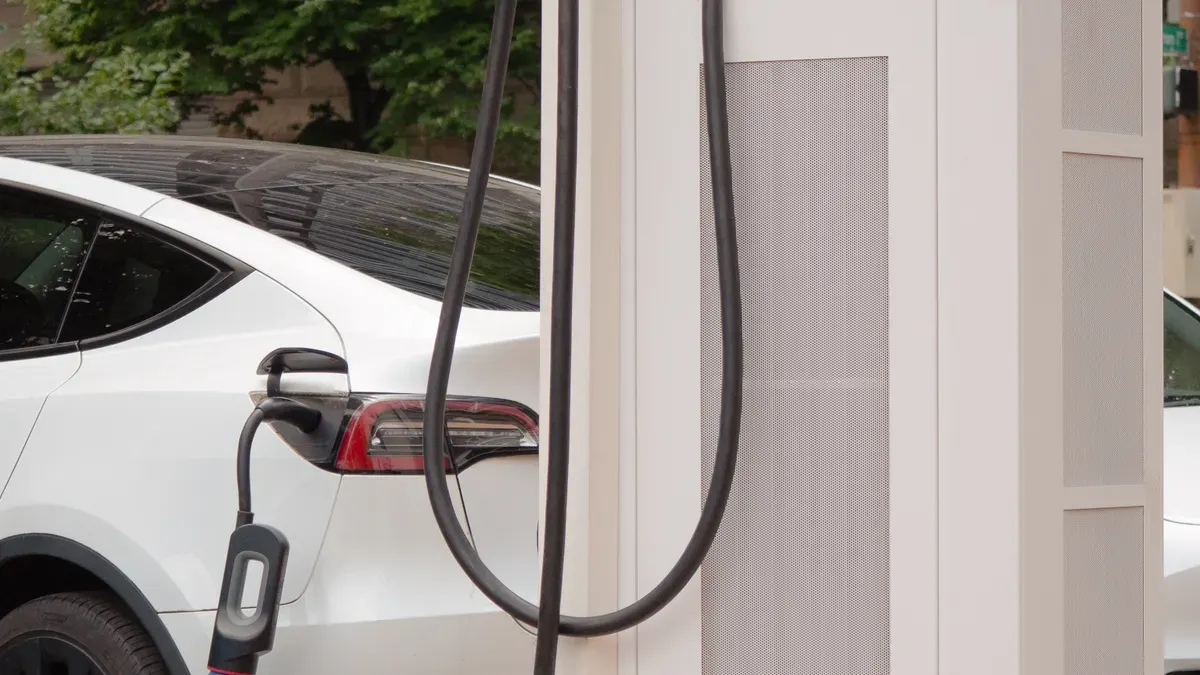
You can create powerful charging stations with new Tesla V4 technology. The V4 post handles high voltage up to 1000 V and 1000 A, giving 325 kW to fast-charging cars. Central power boxes give 1 MW or 1.2 MW that eight cars can share. These supply 250 kW for 400 V cars and 500 kW for 800 V vehicles. Tesla makes these fast chargers to handle heavy daily use at busy locations easily. Site owners get great use and fast installation with this helpful gear.
Tesla lets different car brands charge together using special Magic Dock locks:
A NACS driver pulls out the plain plug while the extra adapter stays inside the post.
A CCS1 driver uses the mobile phone app to unlock the special plug adapter.
The adapter clicks onto the main cord handle and stays safe while charging.
Integrated Fleet Management Software
You can control many electric cars safely using strong Tesla company software. Tesla built 77,682 charging spots around the world by late 2025, adding 12,187 new ones that year. This wide grid stayed online 99.95% of the time during 2024. Fleet managers plan long daily routes easily because these chargers always work. Live phone updates send quick warnings to your screen if a station needs fix work.
Main control tools help you lower running costs at all your stations. You check live power use, change prices, and set cheap night charging from one website screen. System servers balance active power draws against local electric grid limits automatically. Tesla blends tough charging boxes with smart web tools to give complete setup choices for big businesses. You keep total control over your growing charging spots using quick wireless software updates.
Blink Charging
Next-Gen Charging Hardware
You can set up adaptable power units across your company grounds using Blink Charging gear. Blink manufactures flexible AC units and high-output DC fast chargers for commercial properties. Facility managers easily pick budget-friendly EV charging systems that weigh upfront setup expenses against future business plans. The small Series 8 AC model features a tough casing, built-in cord storage, and tap-to-pay card scanners for easy public use. You install this EV charging gear fast to handle everyday jobsite and shopping center power needs.
Equipment Model | Power Output | Enclosure Rating | Ideal Deployment |
|---|---|---|---|
Series 7 AC | 19.2 kW | NEMA 3R | Workplace and multi-family parking |
Series 8 AC | 19.2 kW | NEMA 4 | Retail locations and public pay-for-use |
180kW DCFC | 180 kW | NEMA 3R | Fleet depots and highway corridors |
Blink sits among top EV charger makers by delivering rugged product designs. Sturdy outer shells shield inner circuit boards from rain, dirt, and hard physical hits. Repair teams fix plug-in parts fast to boost power capacity as driver usage grows over time.
Blink Network Cloud Management
You handle your entire charging grid through the main Blink Network cloud system. This digital dashboard links right to each working charger on your business lot. Commercial owners get complete all-in-one setups that combine real power boxes with automated billing tools. Embedded cellular modems stream live status updates straight to your online screen. You track live EV power draw and active plug-in events across every property with ease.
The web platform runs remote control duties automatically to keep your power site running smoothly. Smart software tracks system performance, creates instant service alerts, and updates station code wirelessly. You can set flexible charging rates based on plugged-in time, energy used, or customer membership levels. Smart power distribution shields your main electrical service from expensive high-demand fees. This single platform keeps your chargers working well while simplifying daily site tasks.
Evaluating Leading EV Charging Manufacturers

Interoperability and Open OCPP Standards
Picking open, flexible software systems keeps you from getting stuck with one vendor. Open rules like OCPP 1.6 and OCPP 2.0.1 let you change central management platforms without replacing physical equipment. Top hardware providers like DUOSIDA (Zhangjiagang UCHEN New Energy Technology Co., Ltd., stock code: 873087) supply certified parts. Their UL, TUV, and CE certified products ensure smooth communication between electric vehicle supply equipment and open backends.
Standardized software connections give you better view of all your set-up equipment. Advanced messaging rules support ISO 15118 and OpenADR systems for auto-login. Far-away health checks and over-the-air firmware updates fix system issues immediately. These linked digital tools cut unnecessary site repair trips by up to 80 percent, guarding your long-term charging infrastructure investment.
Total Cost of Ownership and Grid Scalability
Choosing tough gear made for constant high-power use helps lower running costs. High-quality global ev charging equipment uses weather-proof cases that safeguard inside power parts. Trusted component manufacturers offer high-voltage connectors and robust charging solutions to keep stations working constantly. Strong equipment builds lower regular repair work while making hardware last much longer at every location.
Smart energy management software controls total power draw to prevent expensive utility peak demand charges. Dynamic load balancing algorithms continuously distribute available electrical capacity across active ev charging stations. Smart software manages local grid limits, so you handle daily power needs without paying for big utility transformer upgrades.
Researchers at Lawrence Berkeley National Laboratory found that managed charging and V2G in California could provide the equivalent of 5 GW of stationary storage—worth more than $12 billion in traditional infrastructure.
Using linked charging controls protects your local grid while getting the most power from your chargers every day. Top ev charging manufacturers provide fully connected software ecosystems to streamline daily fleet operations. Picking modular ev charging hardware helps you grow charging station infrastructure easily as customer ev adoption expands.
Teaming up with all-in-one EV charger makers removes the hassle of using split hardware and software tools. Built-in programs, live web tracking, and smart power parts bring physical boxes together with online management setups. These full-service setups speed up installation while dropping total long-term running costs for your location. Checking fleet data reports can actually improve your overall working output by up to 20 percent.
Station owners, business fleets, and commercial hosts need to pick charger setups that satisfy strict NEVI and Buy America rules. You should base your gear selection on actual daily driving needs instead of just chasing top charging speeds. Picking a fully connected vendor supplies dependable systems that expand smoothly alongside your growing business network over time.
FAQ
What is an end-to-end EV charging system?
A complete EV charging system combines real power gear, internal code, and web platforms into one linked setup. You handle site tasks, driver fees, and power distribution smoothly. This all-in-one method cuts installation trouble and improves daily management for your expanding station network.
Why should you choose OCPP-compliant charging hardware?
Using Open Charge Point Protocol standards stops company lock-in. You link physical charging units to various management programs with ease. Reliable brands like DUOSIDA create approved hardware using open rules such as OCPP 1.6 and 2.0.1. This ensures full system harmony and makes future expansion simpler.
How does smart dynamic load management lower your operating costs?
Smart dynamic power management spreads current electricity over working chargers automatically. You skip pricey local power surge fees and hardware replacements. The web program checks total energy use all the time. This clever tracking improves power flow while protecting your neighborhood electrical lines.
Which certifications ensure EV charging hardware safety?
Search for power boxes approved by trusted world safety groups like UL, TUV, CSA, and CE. Known producers like DUOSIDA (stock code: 873087) check high-power cords and stations using these firm rules. Official equipment promises steady energy delivery and guards your long-term setup investment.