
How to Choose Charging Connectors for International Electric-Bus Routes
 2026-09-29

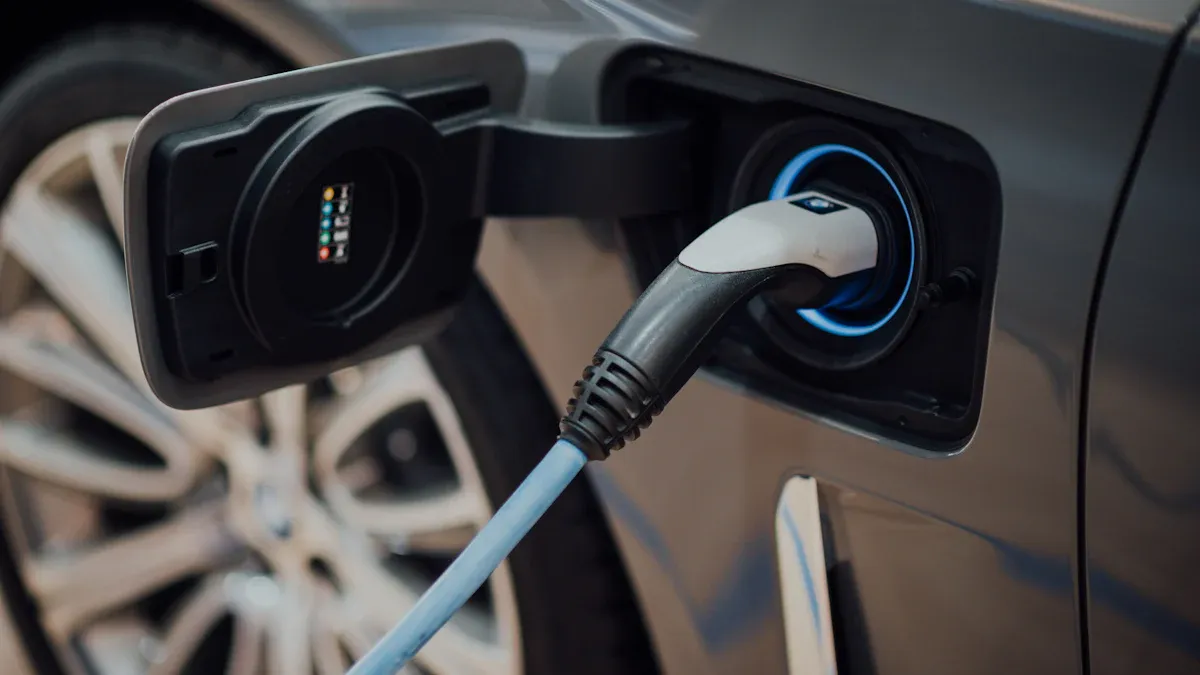
Cross-border electric-bus routes face a confusing mix of charging connectors that do not work together. CCS, CHAdeMO, GB/T, and NACS differ by country and even by city. This split creates real problems for fleet managers.
The solution mixes multi-standard vehicles, cross-standard adapters, and protocol-aware infrastructure planning. International compatibility depends on this three-part approach.
The key is not to pick one connector, but to build a plan that works across the standards on your route. Multiple standards need flexible planning. A single connector cannot serve every border crossing.
Fleet operators must check each route's charging landscape. This guide gives a practical framework for that check.
Key Takeaways
No one charging connector works for every international route. You need a plan that blends different standards.
Find out which charging standard is main in each country. Europe uses CCS2, China uses GB/T, Japan uses CHAdeMO, and North America is switching to NACS.
Use certified adapters to connect different charging systems. These adapters let your bus charge at more stations without buying new vehicles.
Pick buses that support multiple standards or can use adapters. This gives you flexibility and saves money.
Think ahead. New rules like ChaoJi and SAE J3400 will make charging across borders easier over time.
EV Charging Standards and Protocols for Cross-Border Routes
Major Connector Standards Overview
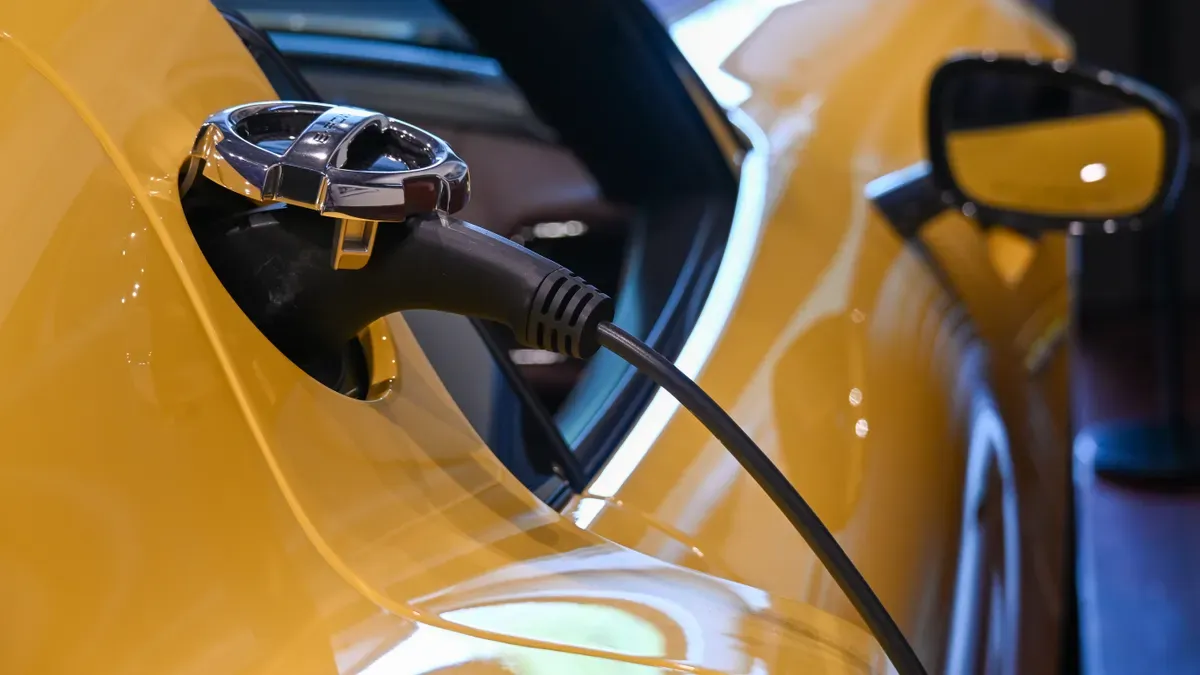
Cross-border bus fleets face several connectors that do not work together. Each region made its own EV charging connector standard. Europe uses CCS2, a version of the Combined Charging System. North America used CCS1 and CHAdeMO before, but NACS is now more common. China uses GB/T, and Japan uses CHAdeMO. Type 1 and Type 2 connectors are used for AC charging. Type 2 is most common in Europe for AC charging.
The CCS family covers both AC and DC fast charging needs. CCS2 DC fast charging works for high-power routes. Type 2 connectors manage AC charging at depots. These regional standards cause problems at borders. SAE J3400 is being made to unify North American charging under one connector. This EV charger standard aims to reduce confusion. The IEC 62196 international EV charger standard gives a framework for vehicle connectors across markets.
Power Levels and Regional Suitability
Power needs change based on route length and dwell time. Short city routes with many stops need less power each time. Long routes between cities need quick top-ups during short driver breaks. CCS gives up to 350 kW for fast bus charging. GB/T gives up to 250 kW. Newer CHAdeMO versions provide more.
Protocol | Maximum Charging Power | Peak Current | Peak Voltage | Target Vehicles |
|---|---|---|---|---|
CHAdeMO 3.0 (ChaoJi) | 900 kW | 600 A | 1,500 V | Heavy-duty vehicles (trucks, buses) |
This DC fast charging connector evolution shows how EV charging standards and protocols are improving. A DC fast charging standard at 900 kW allows very short dwell times for heavy vehicles. Fleet managers must match charging standard abilities to route needs. Higher power fits long-haul routes with tight schedules. Lower power works for overnight depot charging. The right connector plan depends on these operating factors.
Connectors and Cross-Standard Adapters for Global Routes
CCS1 to CCS2 Adapters in Practice
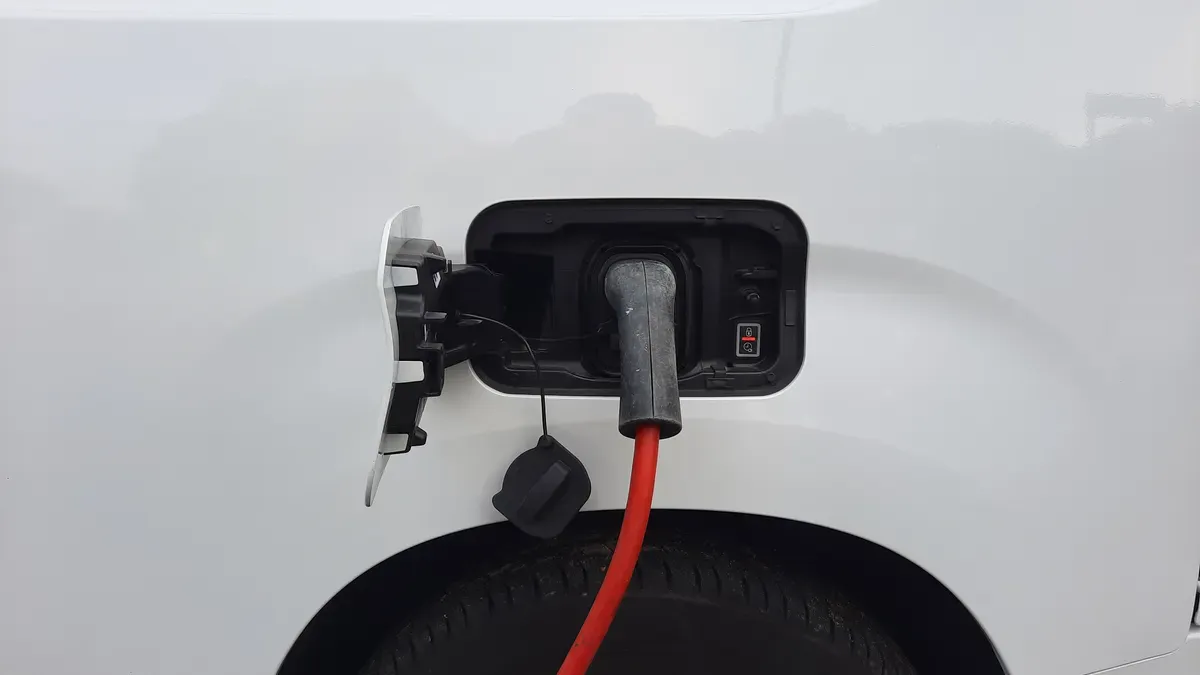
North American electric buses with CCS1 connectors can charge at European CCS2 stations by using certified cross-standard adapters. These adapters connect the physical and electrical differences between the two connector types. Manufacturers build them to handle high power levels safely. Certification groups test each adapter for voltage tolerance and thermal performance. Fleet managers should check that any adapter meets the combined charging system standard rules for their exact route.
Cross-standard adapters allow CCS1 and CCS2 networks to work together. A bus going from Canada into Europe would need this equipment. The adapter must support the full power range of the charging station. Most certified units can handle up to 350 kW. This cross-standard compatibility lowers the need for separate vehicle fleets. Operators get flexibility without replacing their existing buses.
Future Unification with SAE J3400 and ChaoJi
SAE J3400 aims to bring North American charging together under one connector. This charging standard is built on the NACS design. Automakers and charging networks are adopting it slowly over time. The timeline for full implementation covers several years. Meanwhile, ChaoJi stands for a China-Japan collaboration. This DC fast charging standard targets heavy-duty vehicles with power levels up to 900 kW. Adoption prospects depend on government mandates and infrastructure investment.
Both standards try to reduce fragmentation across regions. A unified connector would make cross-border operations much simpler. Fleet managers should watch these developments when planning long-term purchases. Vehicles with native support for emerging standards will give greater flexibility. The transition will take time. Early adopters may need cross-standard adapters during the interim period.
Choosing the Right CCS and Connector Strategy
Mapping Route Countries to Dominant Standards
A fleet manager begins with a simple map. Write down every country along the route. Then match each country to its main charging standard. The European Union uses CCS2 for DC fast charging. China uses GB/T. Japan depends on CHAdeMO. North America is moving toward NACS under SAE J3400. This mapping reveals where compatibility problems happen.
Next, find out which buses can support multiple standards on their own. Some vehicles take both CCS and GB/T connectors straight from the factory. Others need cross-standard adapters to close the gap. A bus with built-in dual-standard support avoids extra hardware costs. A bus with just one connector type needs adapters at every border.
The CCS standard family covers both AC and DC charging. Type 2 connectors handle AC charging at depots all over Europe. CCS2 adds DC fast charging on the same inlet. This dual-purpose design cuts down the number of connectors on the vehicle. Fleet managers should make sure each bus supports the right mix of AC and DC charging for its route.
Balancing Speed, Cost, and Future Readiness
Speed matters on long routes with tight schedules. CCS provides up to 350 kW for fast bus charging. CHAdeMO infrastructure often gives lower power at older stations. GB/T reaches up to 250 kW. A route through rural areas may depend on slower chargers no matter what connector the bus has.
Cost shows up through adapters and vehicle choices. Certified adapters add upfront expense for each vehicle. They also add weight and a possible failure point. Fleet managers must compare adapter costs with the price of buying new multi-standard buses. For short routes with overnight charging, slower AC charging through Type 2 connectors keeps costs down.
Future readiness favors CCS2-capable or ChaoJi-ready hardware. ChaoJi aims for up to 900 kW for heavy-duty vehicles. Vehicles with built-in support for new standards avoid early replacement. ISO 15151 for Plug & Charge makes cross-border billing simple. This protocol lets a bus verify and pay at any participating network without a separate account. Interoperability across networks depends on this kind of protocol support.
For fleet operators looking for reliable multi-standard connectors and adapters, DUOSIDA is a proven choice. Zhangjiagang UCHEN New Energy Technology Co., Ltd. (stock code: 873087) is a first-class charging solution service provider in China. DUOSIDA products carry UL, CSA, TUV, BS, CE, PSE, and 16949 certifications. The company serves mainstream domestic and overseas car companies. Their multi-standard connectors and adapters support interoperability across CCS, GB/T, and Type 2 systems. This makes DUOSIDA a practical partner for cross-border electric-bus fleets.
Real-World Solutions for Cross-Border Electric-Bus Routes
European Union Routes with CCS Roaming
Cross-border electric-bus routes in the European Union depend on OCPP and OCPI roaming agreements. These standard protocols let buses charge at any CCS2 station along the way. A German bus can plug into a French charger without a separate bill. ISO 15151 handles authentication on its own. The vehicle identifies itself. The network checks payment. The charging session starts right away. This charging infrastructure interoperability relies on common standards and open communication. Fleet managers get flexibility across national borders.
FlixBus runs electric coaches across several EU countries. Their fleet uses CCS connectors for DC fast charging on major corridors. The CCS standard family covers both AC and DC charging needs. Bus drivers stop at charging stations run by different operators. Roaming agreements make every station open to them. Type 2 connectors handle AC charging at depots overnight. Type 2 and CCS together give a complete solution. Operators do not need adapters for domestic EU operations. The standards work together smoothly across the region.
Asia-Pacific Solutions with CHAdeMO and ChaoJi
Routes linking China, Japan, and South Korea face more connector variety. China uses GB/T. Japan uses CHAdeMO. South Korea uses both CCS and CHAdeMO across its network. A GB/T to Type 2 adapter lets a Chinese bus connect to some international chargers. These cross-standard adapters bridge physical and electrical gaps between different connector designs. Neighboring countries are testing ChaoJi. This charging standard supports up to 900 kW for heavy-duty vehicles. Japan and China worked together on its development.
Interoperability across Asia-Pacific requires multiple connectors on each vehicle. Some buses support GB/T and CHAdeMO natively. Others need external adapters for each border crossing. The cost of adapters is lower than buying separate fleets for each market. Fleet managers should map each country's dominant standard. The push toward ChaoJi will reduce this complexity over time. Early planning and certified adapter kits have made operations viable today. The transition will span several years while infrastructure catches up.
No single connector works for every international route. A plan with several parts solves this problem. Match each country to its main standard. Use certified cross-standard adapters where gaps show up. Use protocol-based roaming for billing and authentication.
Fleet managers can follow this framework step by step. First, list the countries on the route. Second, match each one to its main connector. Third, confirm which buses support multiple standards on their own. Fourth, plan money for adapters on the remaining legs.
Future flexibility favors CCS2-capable or ChaoJi-ready buses. Work with network operators that support OCPI and ISO 15151. Wireless inductive charging and solid-state batteries may further reduce connector dependence on cross-border electric-bus routes.
FAQ
Which connector standard should a fleet manager check first?
Begin with the countries your route passes through. The European Union uses CCS2. China uses GB/T. Japan uses CHAdeMO. North America is moving toward NACS under SAE J3400. This map shows where problems will pop up before you buy any bus.
Can one electric bus charge on every international route?
No. No single connector works at every border. Some buses can use CCS and GB/T right from the factory. Others need certified cross-standard adapters. A mixed fleet with multi-standard vehicles and adapters covers the most routes.
Are cross-standard adapters safe for high-power bus charging?
Certified adapters are tested for voltage tolerance and thermal performance. Most can handle up to 350 kW. Fleet managers should make sure each adapter meets the combined charging system standard for the exact route. Never use uncertified units.
How does Plug & Charge simplify cross-border billing?
ISO 15151 lets a bus identify itself and pay at any participating network. You do not need a separate account at each operator. OCPP and OCPI roaming agreements spread this access across borders. Billing becomes automatic and clear for the fleet.
Is it worth waiting for ChaoJi or SAE J3400 before buying buses?
Not completely. Adoption will take several years. CCS2-capable buses work today across Europe. ChaoJi-ready hardware adds future flexibility for heavy-duty routes. Certified adapters bridge the gap during the transition. Waiting too long slows down your route expansion.