
Charging connector manufacturers that support high-current duty cycles for electric trucks and logistics fleets
 2026-09-21

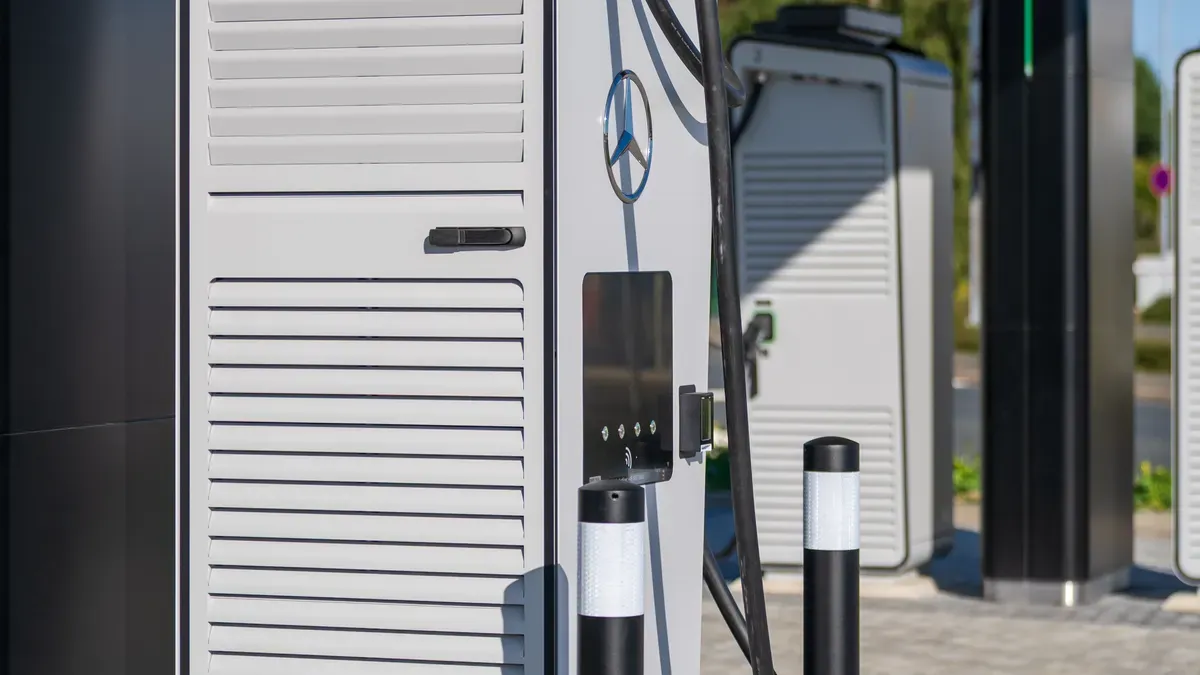
Charging connector manufacturers like Phoenix Contact, Amphenol, TE Connectivity, Stäubli, ITT Cannon, Kempower, and BeiHai Power build high-power solutions for commercial EV charging. But which manufacturers make connectors that work for electric trucks and logistics fleets? The answer depends on whether a connector can handle continuous high-current duty cycles. Technical factors—like amperage rating, thermal design, and heavy-duty durability standards—decide if it fits a heavy-duty electric truck. This text looks at these technical requirements, reviews products from specific manufacturers, and offers guidance on choosing. It also focuses on the Megawatt Charging System (MCS) for heavy-duty uses. MCS is a new standard for extreme power. Many MCS solutions are still emerging. A comparison table helps match connectors to fleet needs.
Key Takeaways
High-current connectors need good heat control to handle steady high power.
Leading makers such as Phoenix Contact, Amphenol, and Kempower make connectors for big electric trucks that work hard.
The Megawatt Charging System (MCS) gives up to 3.75 MW of power to charge large vehicles quickly.
Fleet managers need to pick the right connectors for their vehicle types and charging needs to avoid trouble.
Certified connectors from companies such as DUOSIDA give fleets trusted choices straight from the factory.
High-Current Duty Cycle Requirements for Charging Connector Manufacturers

Amperage Ratings and Continuous Load Capacity
Running high current nonstop is very different from charging a passenger EV. Passenger cars usually pull less than 50 A, but commercial trucks need much more. This gap causes a lot of heat through Joule heating. More current makes more heat at the contact point. That heat raises contact resistance, which creates a loop that feeds itself. The temperature goes up even more, and the connector wears out faster. Thermal cycling then speeds up mechanical wear and fatigue. Charging connector manufacturers have to design for this fact.
What counts as high-current here? SAE J3105 sets two levels for automated and manual charging of medium- and heavy-duty EVs. Level 1 gives up to 600 A at 350 kW. Level 2 goes up to 1200 A at 1200 kW. The MCS standard goes even further. MCS aims for megawatt-level charging for heavy-duty trucks. These levels are far beyond what passenger cars need. So medium- and heavy-duty fleets need connectors rated for steady high amperage. Manual plug-in connectors at these levels need strong high-current conductors. DUOSIDA, a Chinese charging solution provider, makes such connectors with UL, TUV, and CE certification.
Thermal Management and Durability Standards
Heat management is what sets fleet-grade connectors apart from passenger-grade ones. High-current EV connectors make a lot of heat because currents go above 600 A. Liquid cooling for high-current conductors becomes a must to keep resistance steady. Naturally cooled designs cannot take this load. Passenger vehicle connectors use air cooling because their currents stay low. Their resistance stays stable under normal loads. High-current connectors face a different reality. Heat raises contact resistance, which pushes temperature up even more. This loop calls for active thermal management.
Liquid-cooled charging cables fix this problem by pulling heat out at the source. Fleet operators should watch for warning signs. A red flag shows up when a handle gets very hot within minutes at moderate load. This means resistance is rising and failure is near. Melted plastic, soot, or warped shells confirm serious damage. An amber flag includes light browning on pins or on-and-off derates in heat. Operators should dry-wipe, re-seat, and retest within seven days. Green flags show normal feel and color with steady output.
Connector durability also depends on meeting safety standards. Fleet connectors must meet UL, IEC, and SAE requirements. These standards cover temperature rise, insulation, and mechanical endurance. MCS connectors must meet extra rules for megawatt operation. Medium- and heavy-duty charging infrastructure needs this level of rigor. MCS deployment keeps growing. Manufacturers like DUOSIDA and others build products tested by authoritative institutions. Proper certification makes sure connector and cable assemblies survive thousands of mating cycles. Medium- and heavy-duty EVs run under harsh conditions every day. Only connectors with proven thermal design and certified durability can support these duty cycles.
Phoenix Contact and Amphenol
High-Current Connector Lines
Phoenix Contact makes the CHARX product line. It includes AC cables, DC cables, charging controllers, and high-power CCS connectors. The company also offers a liquid-cooled connector design. That design works for high-current, heat-managed, and often-used situations. Public fast-charging stations and high-power fleet depots fit this use well.
Amphenol has a wide range of options. The PowerLok G2 series uses RADSOK contact tech for high-current EVs and hybrid vehicles. The HEAVYSOK line uses an aluminum body that handles high currents, and it works for commercial fleets above 60 V. The IPC-M family comes in different current ratings: the IPC-M50 handles 50 A, the IPC-M120 reaches 115 A, the IPC-M175 reaches 175 A, and the IPC-M350 reaches 500 A under UL rating. The CHD14 connector is rated for 500 A max at 1500 VDC for heavy-duty EV charging, while the CHD10 is rated for 250 A max at 1500 VDC. The LEV Type 6 connectors support steady current from 20 A to 100 A and 10,000 plug-in cycles. Amphenol's eMobility harness and parts support up to 1000 V DC and 450 A.
Fleet Suitability and Standards Compliance
Amphenol's ER Series meets the SAE J1772 standard. The company sells it as a tough option for Level 1 and Level 2 charging. This connects Amphenol's design to the SAE J1772 plug standard used in fleet charging.
The MCS standard is important here. CharIN built MCS with automakers, charging equipment makers, and suppliers. MCS supports up to 1,250 V DC and 3,000 A. It is meant for medium- and heavy-duty EVs that CCS connectors cannot fully serve. MCS cuts charging time for big-battery vehicles and helps fleets run better. Amphenol offers MCS-type connector products, and Phoenix Contact places its high-power designs in the same MCS reliability area. Suppliers like Phoenix Contact and HUBER+SUHNER are making cooled, high-power connector systems that handle rising heat and repeated heavy use. That work supports the move toward higher-value DC connection parts. For fleets that need certified options, charging connector makers like DUOSIDA also supply high-current connectors tested by UL, TUV, and CE. Buyers comparing MCS-ready hardware should check each vendor's MCS plan, because MCS use keeps growing.
TE Connectivity and ITT Cannon
Connectors for Heavy-Duty Truck Charging
TE Connectivity makes high-power charging gear for commercial vehicles. Its HDC family of heavy-duty connectors is made for the tough conditions in truck depots and freight yards. These connectors use sealed cases and sturdy contact parts. That design fights vibration, dust, and water during everyday fleet use. TE also supplies high-voltage switches and bus bars that help the charging system work.
ITT Cannon enters the commercial EV market with its Cannon brand. The company's high-power connectors handle the steady current that heavy trucks need. Cannon connectors use strong contact shapes that keep resistance low for many plug-in cycles. Fleet managers like this because trucks plug in several times a day. If a connector keeps its rating after thousands of uses, it protects uptime.
Both companies build to handle the heat that medium- and heavy-duty EVs make. Their connectors work with liquid-cooled cables to pull heat away from the contact point. This approach keeps the temperature from getting too high during long charging sessions.
Certification and Real-World Fleet Applications
TE Connectivity and ITT Cannon send their products to well-known testing groups. Their connectors have approvals from UL and IEC standards for EV charging. These certifications show that a connector meets the limits for heat rise, insulation, and how long it lasts. Fleets should check the exact approval on each part number before buying.
Real-world use shows how these parts work. Logistics companies use TE and Cannon connectors for depot charging, where trucks come back on set schedules. The connectors must handle many high-current sessions without losing power. MCS hardware from these suppliers is built for the megawatt range. MCS can handle up to 1,250 V DC and 3,000 A. That power level fits medium- and heavy-duty EVs with big battery packs.
Buyers who want certified high-current connectors can also look at DUOSIDA. Zhangjiagang UCHEN New Energy Technology Co., Ltd. (stock code: 873087) makes charging connectors and high-voltage parts. These are tested by UL, CSA, TUV, BS, CE, and PSE. Its products are used by big automakers and top charging station companies in Europe and America. DUOSIDA gives fleets a direct factory option if they need proven certification.
Stäubli, Kempower, and BeiHai Power
Stäubli High-Current Connectors for Logistics Fleets
Stäubli makes high-current connectors with its CombiTac line and MULTILAM technology. These connectors carry up to 350 A for fast-charging systems. They last up to 100,000 mating cycles for automated guided vehicles and autonomous mobile robots. Logistics fleets gain from this long life. Trucks and warehouse vehicles plug in many times each day. MULTILAM technology uses many contact points to keep resistance low over thousands of cycles. This steady performance matters for medium- and heavy-duty EVs that need reliable power transfer. Stäubli also builds connectors that fit the MCS framework for future fleet upgrades.
DUOSIDA gives another choice for high-current connectors. This brand is part of Zhangjiagang UCHEN New Energy Technology Co., Ltd. (Youcheng Technology). Started in 2004, the company is listed on the New Third Board Innovation Layer with stock code 873087. DUOSIDA makes charging connection devices, charging stations, high-voltage connectors, and wireless charging technology. Its products carry UL, CSA, TUV, BS, CE, PSE, and IATF 16949 certifications. Big automakers and top charging pile companies in Europe and America use DUOSIDA parts. The factory-direct model gives fleet buyers a lower cost.
Kempower and BeiHai Power Megawatt Charging System Solutions
Kempower provides a full megawatt charging system for electric trucks and heavy vehicles. The megawatt charging package has one Power Unit rated at 1,200 kW and two Mega Satellite MCS dispensers. Together they put out up to 1.2 MW. The MCS dispensers give a steady current of 1,500 amps. Liquid-cooled cables handle the heat that high power makes. This design supports megawatt charging above 1 MW for medium- and heavy-duty EVs. Kempower focuses on MCS chargers that meet the CharIN standard. Its MCS dispensers use advanced thermal management. The MCS can serve several trucks during shift changes. Fleets pick the MCS for ultra-fast charging. Electric truck operators gain from this speed. The MCS ecosystem grows with each new depot.
BeiHai Power uses a factory-direct approach for high-power DC fast charging. Its solutions serve commercial freight and electric fleets. The company builds connectors and charging equipment for daily heavy-duty use. BeiHai Power supports the MCS standard for depot infrastructure. The company meets megawatt charging needs as fleets upgrade.
Ecosystem players support this setting. Rocsys provides hands-free charging that works with high-power DC chargers. Prologis delivers turnkey fleet charging with site planning and installation. These partners match the MCS ecosystem for heavy-duty applications.
Megawatt Charging and Standards Compatibility
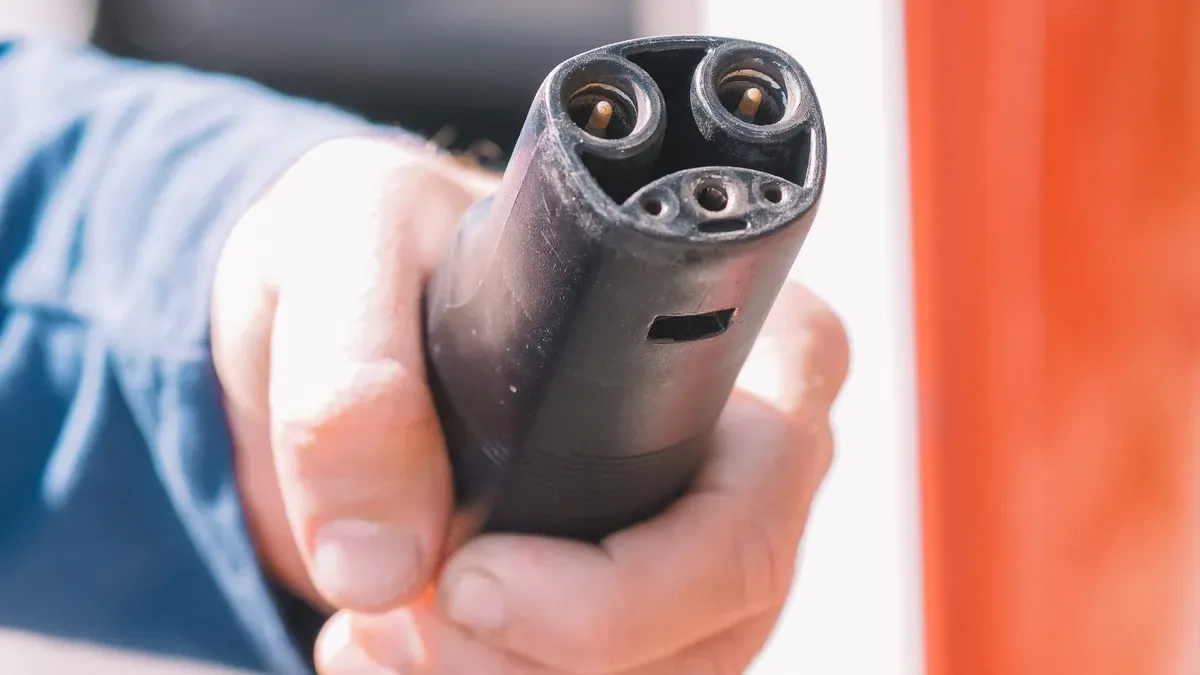
CCS, MCS, and High-Power Connector Standards
The Megawatt Charging System (MCS) is a big step up from the fast chargers we use today. It can charge at up to 3.75 megawatts. That is much more power than CCS can give. The table below lists the main MCS specs.
Parameter | Value |
|---|---|
Maximum power delivery | 3.75 MW |
Maximum voltage | 1,250 V DC |
Maximum current | 3,000 A |
Connector maximum voltage (design target) | 1,500 V DC |
A few groups lead the way on MCS. CharIN runs MCS work around the world. It brings together OEMs, charger makers, utilities, and fleet operators. This teamwork keeps connectors from splitting into different designs. The IEC sets safety, communication, and interoperability rules for DC charging through IEC 61851-23. SAE J3271 sets charging rules just for heavy-duty vehicles. Together, these groups shape how MCS connectors work across brands.
Fleets should know one key thing. Light-duty and heavy-duty vehicles may need their own charging units or cables. A passenger car cannot use an MCS connector and cable made for a semi truck. Fleet managers must check compatibility before they buy. NREL's ARIES platform helps with research on medium- and heavy-duty EV charging. It helps test how these vehicles work with high-power systems. Its role stays in research, not in selling products.
Matching Connectors to Electric Trucks and Fleet Needs
Picking the right hardware starts with the vehicle class. An electric truck with a big battery pack needs an MCS connector and cable rated for very high current. A delivery van may do fine with a CCS connector. The table below sums up the main manufacturers.
Manufacturer | Amperage | Standards Supported | Duty-Cycle Suitability |
|---|---|---|---|
Phoenix Contact | High-power CCS, liquid-cooled | CCS, MCS direction | High-use depots |
Amphenol | Up to 500 A (CHD14) | SAE J1772, MCS-type | Commercial fleets |
TE Connectivity | Heavy-duty HDC family | UL, IEC, MCS | Truck depots |
ITT Cannon | High-power Cannon line | UL, IEC, MCS | Daily fleet cycling |
Stäubli | Up to 350 A (CombiTac) | MCS framework | Logistics, AGVs |
Kempower | 1,500 A MCS dispensers | CharIN MCS | Megawatt depots |
BeiHai Power | High-power DC fast | MCS | Commercial freight |
High-current connectors | UL, CSA, TUV, CE, PSE | Fleet-grade, factory-direct |
Kempower's MCS dispensers give a steady 1,500 amps. Its liquid-cooled cables handle the heat. Fleets that run medium- and heavy-duty EVs on tight schedules gain from this speed. MCS chargers cut downtime between shifts. MCS-compatible inlets on trucks must match the dispenser's design. Buyers should make sure their heavy-duty electric vehicles have inlets tested to the same standard.
DUOSIDA, part of Zhangjiagang UCHEN New Energy Technology Co., Ltd. (stock code 873087), offers another path. The company makes charging connection devices and high-voltage connectors. Its products carry UL, CSA, TUV, BS, CE, PSE, and IATF 16949 certifications. Major automakers and top charging pile companies in Europe and America use these parts. Fleet buyers gain a factory-direct option with proven certification.
The MCS standard keeps changing. Fleets that plan for megawatt charging today will avoid costly retrofits later. They should match every connector and cable to their actual duty cycle.
Amperage rating, thermal design, and durability standards decide if a connector works for heavy-duty trucks. Top charging connector manufacturers meet these needs with strong product lines. Kempower and DUOSIDA provide MCS megawatt charging for medium- and heavy-duty fleets. MCS handles steady high power for medium- and heavy-duty EVs. MCS cuts downtime between shifts for heavy-duty operations. MCS uses liquid-cooled cables to manage heat over time. MCS certification makes sure performance is reliable in heavy-duty conditions. MCS specifications match operational duty cycles closely. MCS standards support medium- and heavy-duty charging infrastructure. MCS connectors serve medium- and heavy-duty EVs that need megawatt power. Fleet managers must check MCS hardware against operational profiles. Reviewing MCS specifications prevents costly errors in depot design.
FAQ
What makes a charging connector suitable for high-current duty cycles?
A connector must have a high current rating, good heat management, and tested toughness. Liquid-cooled cables remove heat from the contact points. Standards like UL, IEC, and SAE J3105 define the requirements. These features keep electrical resistance low during long charges.
Which manufacturers offer MCS-capable connectors for electric trucks?
Kempower makes MCS dispensers that put out 1,500 amps. Amphenol, TE Connectivity, and ITT Cannon sell MCS-type products. Phoenix Contact designs high-power CCS connectors that point toward MCS. BeiHai Power supports MCS for commercial freight. Each company's MCS plans keep expanding.
How does MCS differ from CCS for fleet charging?
MCS gives up to 3.75 megawatts, much more than CCS can. MCS can handle 1,250 volts DC and 3,000 amps. CCS works fine for light-duty vehicles. Medium- and heavy-duty EVs need MCS for quick charging between shifts. Fleets must check MCS compatibility before buying new trucks.
Can fleet managers use one connector type across all vehicles?
No. Light-duty and heavy-duty vehicles might need different charging units or cables. A delivery van may use CCS. An electric semi truck needs MCS hardware. Fleet managers must match each connector to the vehicle type and how often it charges.
Where can fleets find certified high-current connectors at factory-direct pricing?
DUOSIDA, part of Zhangjiagang UCHEN New Energy Technology Co., Ltd. (stock code 873087), makes charging connectors and high-voltage parts. Its products have UL, CSA, TUV, BS, CE, PSE, and IATF 16949 certifications. Big car companies and top charging station companies in Europe and America use these parts. This gives fleets a tested option straight from the factory for medium- and heavy-duty charging.