
Leading manufacturers of liquid-cooled charging connectors for high-power public charging projects
 2026-08-06

High-power public EV charging infrastructure demands efficient thermal management. Top market companies make liquid-cooled charging connectors today. These parts handle extreme thermal loads during quick energy transfer. Big suppliers are Phoenix Contact, Huber+Suhner, and ITT Cannon. Other leaders include Brugg Cables, Tesla, and Winline. Siemens AG and DUOSIDA also supply these tools. Moving liquid inside these parts removes internal heat fast. This fluid cooling system supports continuous DC current flows. It carries up to 1000A at 1,000V daily. Thick copper conductors generate excessive heat during charging. However, integrated liquid channels cool thinner internal wires safely. So, workers can easily lower overall cable weight. This process keeps physical cable flexibility for EV drivers. Operators check special cooling designs and safety certifications first. They also review field durability parameters before huge setups.
Key Takeaways
Top makers build liquid-cooled plugs for fast electric cars.
Liquid cooling keeps heavy cables light. They stay flexible for drivers.
Liquid channels stop inside copper wires from overheating. They do this during big power moves.
Worldwide safety rules keep power flowing smoothly. They protect costly station gear.
Flexible plug designs help make quick fixes. They also lower overall repair costs.
Leading Manufacturers of Liquid-Cooled Charging Connectors
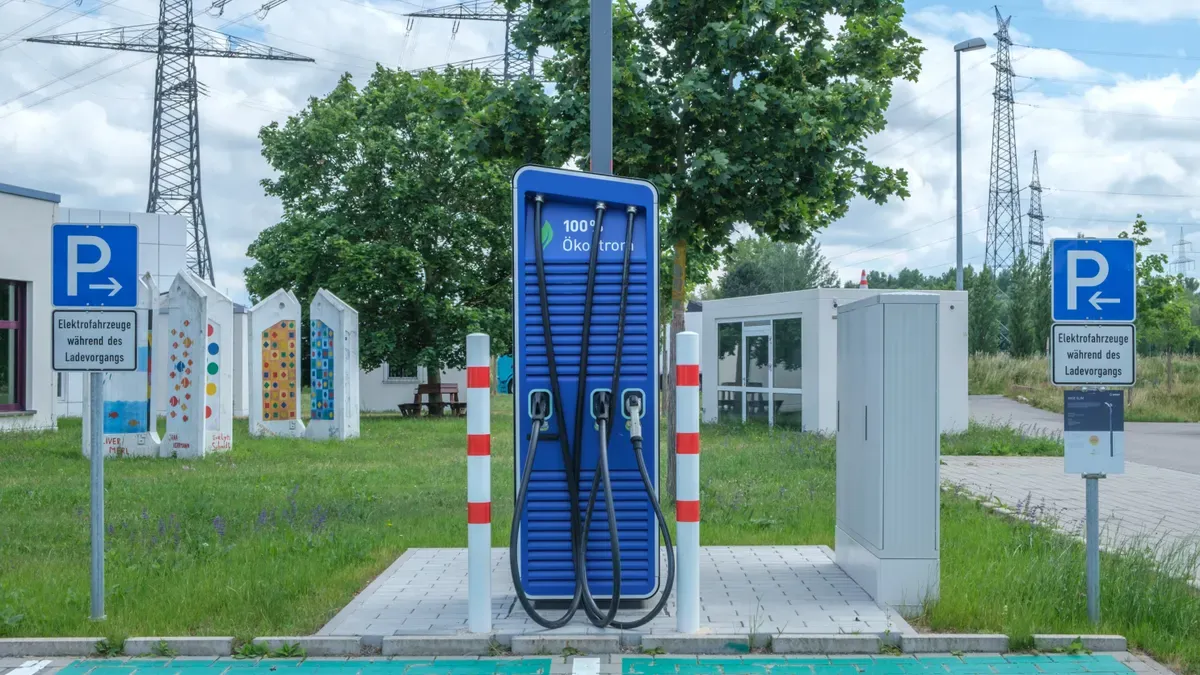
Phoenix Contact CHARX Technology
Phoenix Contact leads fast charging tech. The firm builds CHARX tools today. They speed up EV power refills.
Engineers craft these strong parts. They manage high heat well. Systems reach 1 MW CCS levels.
Huber+Suhner RADOX HPC Series
Huber+Suhner sells cool liquid connectors. The RADOX HPC system cools constantly. Fluid flows in a closed loop. Coolant hits connector contacts first. Pin sensors check heat levels.
The system uses safe fluid. This liquid resists electricity. It breaks down naturally. It needs no extra maintenance. The unit handles 600 kW daily. Tests show 800 kW limits. Coolers include:
LWK 24 V T35 Unit: It cools air for single cables.
WKW 24 V T36 Unit: It cools liquid for single cables.
ITT Cannon DC High-Power Connectors
ITT Cannon makes heavy-duty connectors. Public stations use these liquid parts. They safely pass 500A power. Voltage limits reach 1,000V daily.
Drivers get fast refills soon. Power builds in five minutes. Fluid paths pull heat away.
Brugg Cables and Siemens Solutions
Siemens sells parts for public setups. Brugg Cables builds PURWIL HPC lines. These fit CCS1 and CCS2. They also work with NACS.
Feature / Metric | Specification Details |
|---|---|
Product Name | PURWIL Connect 850+ Cooled |
Voltage Rating | 1,000 V DC |
Standard Current Capacity | Up to 850 A |
Peak Lab Performance | Reached 1,000 A (at 40° C ambient temperature) |
Emerging Suppliers and Specialized Modules
Tesla builds fast public chargers. New models use liquid cooling. These exceed 500 kW goals. Winline makes tools for fleets.
DUOSIDA creates EV plugs. The firm uses stock 873087. It holds many safety badges. UL and CE are examples. TUV is another top badge. It helps global car makers.
Technical Comparison of High-Power Connectors
Amperage and Voltage Limits
Modern liquid-cooled CCS plugs handle 1,000 V. They deliver 500 kW at 500 A. Heat stays low during energy transfers. High voltage speeds up energy delivery.
Cooling affects total power output. Look at continuous currents below:
Cable Cooling Type | Continuous Current Capacity |
|---|---|
Air-Cooled | Up to approximately 200A |
Liquid-Cooled | 400A to 600A+ (up to 700A specifically for CCS2) |
Heat Dissipation Architectures
Active systems push fluid near copper wires. Fluid paths remove heat from pins. This prevents damage to wire insulation.
DUOSIDA puts thermal sensors inside plugs. Sensors track sudden heat spikes constantly. Control units shift fluid flow rates.
Cable Weight and Ergonomics
Fast charging needs thick copper wires. Yet, thick copper makes cables heavy. Rigid wires strain everyday station users.
Sellers use designs to boost comfort:
Synthetic materials replace heavy outer rubber.
Liquid channels allow thinner copper wires.
Overhead reels support heavy cable weight.
CCS1, CCS2, and MCS Compatibility
Public stations use various plug designs. CCS1 suits North American electric cars. CCS2 powers stations across Europe. Fluid plugs adapt to fit both.
Heavy fleets need higher power limits. MCS plugs handle larger commercial trucks. Engineers design pins for safety rules.
Key Selection Criteria for Public Projects
Engineering Standards for Liquid-Cooled Charging Connectors
Station owners check global safety rules first. Standard UL 2251 tests EV plugs well. Standard IEC 62196 also tests plugs. These tests protect continuous power flow. Compliance keeps structures safe under heat.
Equipment costs take up 25–30% total spend. This spend covers ten full years. Safe parts prevent costly grid failures. They also stop huge regulatory fines. Standard plugs fit into cabinets easily. Good certifications protect your big money.
Fluid Safety and Leak Protection
Cool plugs use active heat control. Closed systems pump glycol-water mixtures inside. Synthetic oils also cool the cables. These fluids take heat from pins. Smart pressure tools catch leaks fast.
Good fluid seals keep stations working. Fluids protect nearby electric parts, too. Power costs make up 45% total spend. Good cooling lowers internal line resistance. Saving 2% power saves $3,000–$5,000 yearly. This yields $30,000–$50,000 across ten years.
Field Serviceability and Durability
Public sites face constant hard use. Repair costs take 8–12% total spend. Technicians swap old plugs fast now. Modular parts cut labor hours down.
Strong covers shield sensitive internal parts. They stop bad weather and vandalism. Tough hardware prevents frequent station breakdowns. A two-week outage cuts station revenue. Easy parts keep stations running daily.
Top companies boost fast EV station growth. Big brands supply safe, super-fast power. Phoenix Contact and Huber+Suhner make them. ITT Cannon and DUOSIDA build them too. Thin wires use active heat control. Stations carry 1,000A current safely. Heavy parts will not overheat.
Station buyers check long-term factors first. Hardware costs take 25% to 30%. This covers ten full years. Owners pick safe, certified modular parts. These parts prevent liquid leaks. Reliable hardware cuts repair costs fast. Swapping modular plugs lowers site downtime. Smart buying keeps stations running daily. Users stay safe. Revenue grows steady.
FAQ
Why do ultra-fast EV chargers require liquid cooling?
Fast charging creates big heat inside wires. Thick copper stops heat. But it makes cables heavy. Rigid wires hurt everyday station users. Integrated liquid channels remove heat fast. Fluid cooling supports continuous DC current flows. Systems carry 1000A at 1,000V daily. This process keeps physical cable flexibility.
Which global standards certify liquid-cooled charging connectors?
Top testing groups inspect high-power connectors. These tests protect continuous power flow. Standard UL 2251 tests EV plugs. Standard IEC 62196 tests international designs. Sellers earn UL and CE badges. TUV is another top badge. They help meet global rules.
What fluids cool high-power charging cables?
Closed systems pump safe fluids inside. Firms use glycol-water mixtures. Synthetic oils also cool the cables. Active pumps move liquids continuously. Fluids pull heat from pins. They keep electrical parts safe.
How do liquid-cooled cables reduce long-term station costs?
Cool connectors stop wire heat damage. Modular designs allow fast field swaps. Technicians swap old plugs fast. Component swaps cut labor hours. Site downtime stays very low. Smart cooling protects your hardware. Repair costs stay under 12% spend.