
HPC or NACS? A Complete Guide to Choosing the Right EV Charging Solution
 2026-07-28

Among the latest charging technologies, High Power Charging (HPC) and North American Charging Standard (NACS) have become two important topics in the global EV industry. While HPC focuses on delivering higher charging power and reducing charging time, NACS focuses on connector standardization, compact design, and widespread adoption in North America.
For companies involved in EV manufacturing, charging infrastructure development, or automotive component sourcing, understanding the differences between HPC and NACS is essential for choosing the right charging system.
Zhangjiagang UCHEN New Energy Technology Co., Ltd. (Youcheng Technology, stock code: 873087) is positioned as a first-class charging solution service provider in China, specializing in the development and market promotion of high-performance charging products for new energy vehicles. Through advanced manufacturing capabilities and charging technology expertise, the company provides reliable charging connection solutions for global EV applications.
This guide explains the differences between HPC and NACS, their applications, and how businesses can select suitable EV charging solutions.
What Is HPC Charging Technology?
HPC stands for High Power Charging, a technology designed to provide significantly higher charging power compared with traditional AC charging or standard DC fast charging systems.
The main goal of HPC is to shorten EV charging time by delivering higher current and voltage levels. This technology is especially important for:
· Long-distance electric vehicles
· Commercial EV fleets
· Electric buses and trucks
· Public fast charging networks
· High-frequency vehicle applications

A typical HPC system requires advanced charging connectors, vehicle inlets, thermal management solutions, and power control technologies to ensure safe and stable charging performance.
Unlike conventional charging systems that may require longer charging periods, HPC solutions are designed to support faster energy transfer, helping improve the efficiency of EV operations.
For charging equipment manufacturers and EV producers, selecting high-quality HPC components is critical because charging performance depends not only on the charger itself but also on the reliability of the charging connection system.
Youcheng Technology develops high-performance charging products for new energy vehicles, providing solutions that support the increasing demand for fast and efficient EV charging infrastructure.
What Are NACS Products?
NACS, or North American Charging Standard, is an EV charging connector standard originally developed for the North American market.
Compared with traditional charging connectors, NACS features a compact design that integrates AC charging and DC fast charging functions into a single connector. Its lightweight structure and user-friendly design have increased its popularity among EV manufacturers and charging network operators.
NACS products are mainly used in:
· Passenger electric vehicles
· Public charging stations
· North American EV infrastructure
· Automotive charging systems
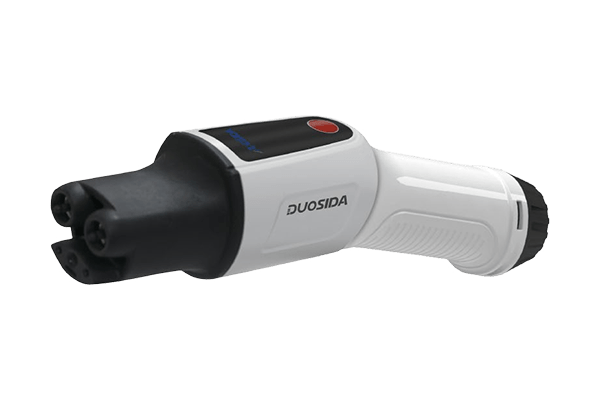
The increasing adoption of NACS has encouraged many EV companies and charging solution providers to evaluate NACS compatibility when developing products for North American markets.
For manufacturers targeting North America, selecting suitable NACS charging components can improve vehicle compatibility and support access to expanding charging networks.
Youcheng Technology provides professional NACS Products designed for modern EV charging applications, helping customers meet evolving market requirements with reliable charging connection solutions.
HPC vs NACS: Main Differences
Although both HPC and NACS are related to EV charging, they focus on different aspects of charging technology.
1. Different Technical Focus
The biggest difference between HPC and NACS is their primary purpose.
HPC focuses on:
· Higher charging power
· Faster charging speed
· Heavy-duty and commercial applications
· High-performance charging infrastructure
NACS focuses on:
· Connector standardization
· Compact charging design
· Vehicle compatibility
· North American charging applications
In simple terms, HPC is mainly about charging performance, while NACS is mainly about charging interface design and standard adoption.
2. Different Application Scenarios
HPC is commonly used where charging speed is a critical factor.
Examples include:
· Highway charging stations
· Commercial fleet charging
· Logistics vehicles
· High-utilization EV applications
For these applications, reducing charging downtime directly improves operational efficiency.
NACS is more commonly associated with passenger EV markets, especially in North America, where charging compatibility and infrastructure access are key considerations.
Choosing between HPC and NACS depends largely on the target market and vehicle application.
3. Charging Power Considerations
HPC solutions are developed to support higher power charging requirements. They require connectors and components capable of handling higher electrical loads while maintaining safety and reliability.
Important factors include:
· Current capacity
· Voltage range
· Thermal management
· Material durability
· Connector lifecycle
NACS products generally focus on optimizing connector design while supporting both AC and DC charging functions.
For EV manufacturers, charging power requirements should be evaluated together with vehicle battery systems, charging infrastructure, and market expectations.
How to Choose Between HPC and NACS?
Selecting the right EV charging solution requires a comprehensive evaluation of several factors.
1. Identify Your Target Market
The first step is understanding where the EV products will be used.
For example:
· North American passenger vehicles may require NACS compatibility.
· Commercial vehicles and fast charging networks may benefit from HPC solutions.
· Global EV platforms may require multiple charging standards.
Market requirements should guide charging system selection.
2. Consider Vehicle Type and Usage
Different vehicles have different charging needs.
Passenger cars:
· Focus on convenience and compatibility
· Require widely accepted charging interfaces
Commercial vehicles:
· Require faster charging capability
· Need durable charging components for frequent use
Fleet operators:
· Prioritize charging efficiency and operational reliability
Understanding the vehicle application helps determine whether HPC or NACS is more suitable.
3. Evaluate Product Quality and Supplier Capability
Charging components directly affect EV safety and performance. Therefore, choosing a reliable manufacturer is essential.
A professional charging product supplier should provide:
· Stable manufacturing processes
· Product testing capabilities
· International certification support
· Technical development experience
· Customization services
As a China-based charging solution provider, Youcheng Technology focuses on the research, development, manufacturing, and market promotion of high-performance charging products for new energy vehicles.
DUOSIDA HPC and NACS Charging Solutions
With the rapid expansion of global EV markets, charging product suppliers need to provide solutions that support different technical requirements and regional standards.
DUOSIDA offers a comprehensive range of charging products for new energy vehicle applications, including advanced high-power charging solutions and next-generation charging interfaces.
The company provides HPC Products designed for high-performance charging applications, supporting fast charging infrastructure and demanding EV environments.
At the same time, DUOSIDA develops NACS Products to meet the growing demand for North American charging compatibility and modern EV charging systems.
By combining engineering experience, manufacturing capability, and charging technology development, DUOSIDA helps global customers build reliable EV charging solutions.
Future Trends of HPC and NACS Charging
The future EV charging market will not be dominated by only one technology. Different regions and applications will continue to require different charging solutions.
Several trends are shaping the industry:
Higher Charging Performance
As battery capacity increases, faster charging technologies will become increasingly important. HPC systems will continue to play a key role in reducing charging time.
More Unified Charging Standards
The industry is moving toward greater charging compatibility. Standards such as NACS are influencing the development direction of charging infrastructure, especially in North America.
Flexible Charging Solutions
EV manufacturers and charging suppliers will need flexible solutions that support different markets, vehicle platforms, and infrastructure requirements.
Companies with strong product development capabilities will be better positioned to support future EV expansion.
Conclusion
HPC and NACS represent two important directions in EV charging development. HPC focuses on high-power charging performance, while NACS focuses on charging interface standardization and market compatibility.
For EV manufacturers, charging station developers, and automotive suppliers, selecting the right solution requires considering market requirements, vehicle applications, charging performance, and supplier capabilities.
With experience in high-performance charging products for new energy vehicles, Youcheng Technology provides reliable charging solutions for global EV markets. Through advanced HPC and NACS products, the company supports the continued development of efficient and accessible electric mobility.