
Suppliers supporting both legacy CCS1 hardware and new NACS/J3400 products for the North American transition
 2026-09-17

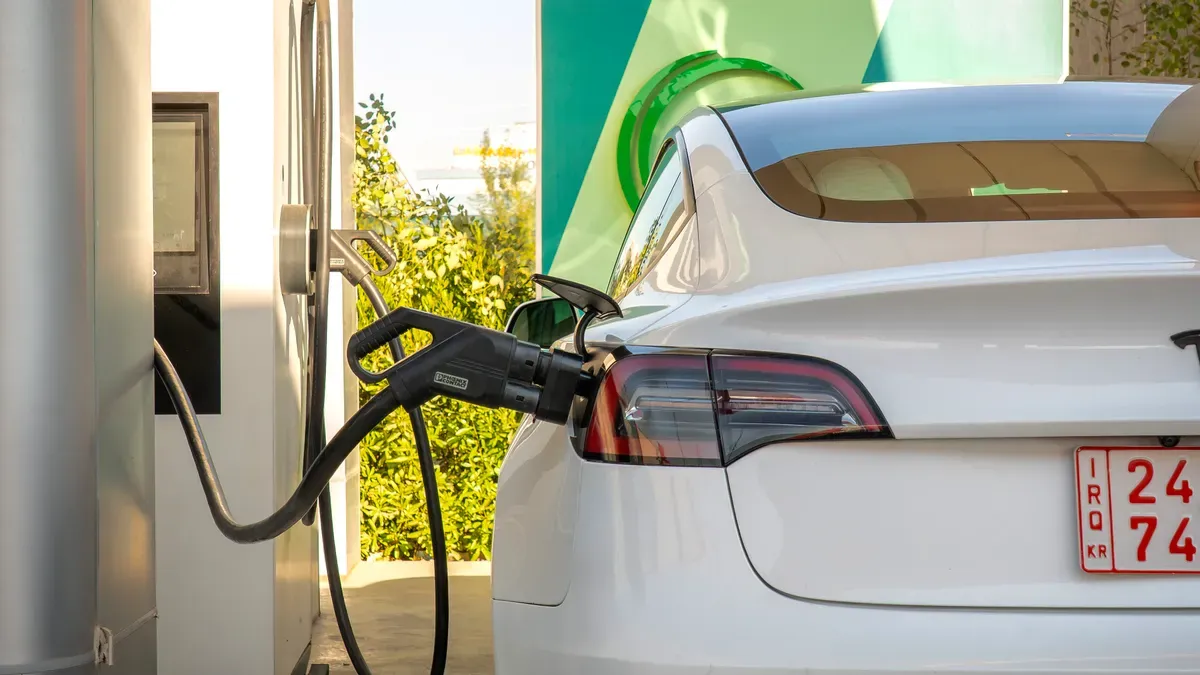
Several suppliers support legacy CCS1 hardware and new NACS/J3400 products today. Volex, ChargePoint, Phoenix Contact, and DUOSIDA all sell adapters or dual-standard charging equipment. This dual support matters because drivers of older CCS1 vehicles and buyers of new NACS vehicles must both charge at the same stations during the North American transition. You no longer face a choice between serving one connector type or the other. A single product line can now cover both. That flexibility keeps charging networks usable for every driver on the road, no matter which inlet their vehicle carries.
Key Takeaways
Companies like Volex and ChargePoint sell equipment and adapters that work with both CCS1 and NACS vehicles.
Adapters let older CCS1 cars charge at NACS stations and new NACS cars charge at CCS1 stations.
Dual-port chargers and modular upgrades let you support both connector types without replacing entire stations.
Dual support cuts down range anxiety for drivers and makes the change easier for fleet operators.
Check for UL certifications like UL 2251 to make sure the dual-standard products you buy are safe and follow the rules.
Why dual support matters for the North American transition
The shift from CCS1 to NACS/J3400
North America is switching to NACS/J3400 as the main standard for new chargers. Big car companies plan to adopt J3400 around 2025–2026. Experts say 2025–2027 will be a time when many charging standards are used together. During this time, you will find both CCS1 and NACS connectors at charging stations.
The change happens because these connectors are built differently. NACS/J3400 uses one small plug for both AC charging (Level 1 and Level 2) and DC fast charging. SAE released a Technical Information Report for J3400 so that suppliers and manufacturers can use it freely. Tesla's Supercharger network is the biggest and most trusted in North America, which makes more people switch.
Technical Attribute | CCS1 | NACS / SAE J3400 |
|---|---|---|
Physical design | Bulky combo head | Single compact plug, roughly 50% smaller |
AC & DC handling | Requires combined connector family | Folds AC and DC into one connector |
Voltage support | Field systems typically top out lower | Built to support up to 1,000 volts |
Usability | Heavier cable, harder to align | Lighter cable, easier to hold |
Backward compatibility for legacy vehicles
Older CCS1 cars still need to use charging stations during the change. You cannot leave millions of CCS1 drivers with no way to charge. Adapter technologies solve this problem. A NACS adapter lets non-Tesla EVs, including older CCS1 cars, charge at Tesla Superchargers. These adapters work up to 250kW at V3 Tesla Superchargers and up to 350kW at V4 stations.
A CCS adapter works the other way. It lets Tesla and other NACS-port EVs charge at CCS stations, supporting up to 350kW on very fast CCS chargers. This two-way connection keeps all drivers linked. Suppliers support older CCS1 hardware and new NACS/J3400 products because people need both. Without dual support, you would leave one group of drivers behind while helping the other.
Suppliers supporting legacy CCS1 hardware and new NACS/J3400 products
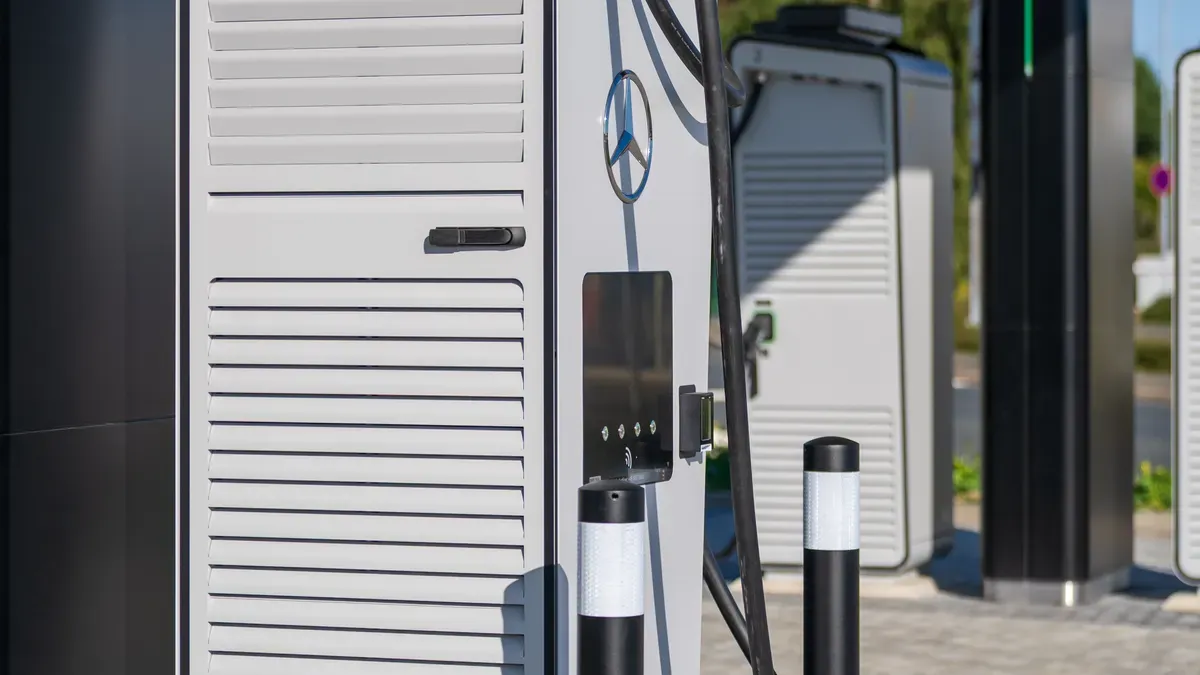
Charger manufacturers with dual-standard portfolios
ChargePoint puts dual-standard hardware right inside its charging stations. The ChargePoint Express 280 has both NACS and CCS1 cables at every parking spot. Each cable is 7.5 meters long, and the station gives up to 160 kW. You can buy the Express 280 in standalone or paired setups. This means you never save a spot for just one connector type. Any driver can pull up and plug in.
The Omni Port goes even further with this idea. It puts CCS and NACS together into each charging port on one station. Any EV can use any parking space without an extra cable or adapter. The system picks the connector using software. You type your vehicle's make and model into the ChargePoint app, and the station gives you the right connector. Drivers who don't have the app pick manually on the charger screen. Omni Port works on new AC and DC stations and supports 800-volt architecture. You can also add it to existing CP6000 and Express Plus Power Link 2000 models.
DUOSIDA (Zhangjiagang UCHEN New Energy Technology Co., Ltd.) also supports legacy CCS1 hardware and new NACS/J3400 products. This Chinese company holds a first-class charging solution service provider position and trades on the New Third Board. Its products include charging connection devices and charging stations. DUOSIDA holds UL, CSA, and TUV certifications for its equipment.
Adapter and component suppliers bridging the gap
Volex designs and makes EV charging adapter platforms for NACS/J3400, CCS1, and SAE J1772 AC and DC uses. The NACS/J3400 to J1772 AC adapter lets J1772 vehicles connect to NACS AC stations. It handles 300V AC, up to 80A, and up to 19.2 kW at 240V AC. The NACS/J3400 to CCS1 DC adapter lets CCS1 inlet vehicles use NACS DC fast charging. It supports 1,000V DC and 250A without liquid cooling at 50°C, or up to 500A with liquid cooling at 40°C. The CCS1 to NACS/J3400 DC adapter works the other way for NACS vehicles at CCS1 stations. The J1772 to NACS/J3400 AC adapter serves NACS vehicles at J1772 AC stations. All four platforms carry UL 2252 and SAE J3400/1 ratings, offer IP67 protection when unmated, and last 10,000+ mating cycles.
Phoenix Contact supplies SAE-compliant and UL-certified NACS charging cables and vehicle inlets. The CHARX connect professional NACS DC cables give up to 500 kW in Boost Mode and 375 kW continuous. They meet SAE J3400 and carry UL 2251 certification. Features include a separate ergonomic handle, IPXXB protection, molded plastic caps, replaceable mating faces, and temperature monitoring. The CHARX connect eco NACS AC cables handle up to 80A with 50A and 80A variants. They offer touch protection IP2XB, optional temperature sensors, and longitudinal water tightness.
YDCHARGE provides a CCS1 and J1772 to Tesla NACS adapter. This adapter lets vehicles with NACS inlets use legacy infrastructure. Electric Avenue offers a J3400 (NACS) to CCS1 adapter. This product lets CCS1 vehicles charge at NACS stations. Together, these suppliers support legacy CCS1 hardware and new NACS/J3400 products across both directions of the transition.
How suppliers implement dual support

Dual-port chargers and modular designs
Dual-port chargers put both connector types on the same station. You get CCS1 and NACS cables at every parking spot. ChargePoint's Omni Port is one example of this approach. The station uses software to pick the right connector. You type your vehicle into the app or choose it on the screen. The station then gives you the correct cable. No external adapter is needed. This design works for new AC and DC stations. It also supports 800-volt architecture for modern EVs.
Modular designs give you a different path. You upgrade an existing CCS1 charger to handle NACS without replacing the whole unit. A cable-and-handle swap is the simplest option. You take off the CCS1 cable and install a NACS connector. The cabinet and power modules stay in place. This keeps costs low. You protect your investment in existing hardware.
Some modular upgrades add more capability. A lead and sensor harness refresh adds pin-level temperature sensing to the connector. It also tidies the high-voltage interlock loop circuit. It reinforces shielding and ground continuity. These changes keep data channels stable. They also make thermal derating smooth when temperatures rise. A dual-connector add keeps your CCS1 cable for older vehicles. It adds a NACS cable for new traffic. A full cabinet refresh is only needed if voltage, current, or cooling capacity block the upgrade.
Equipment makers shipped conversion kits for existing DC fast chargers as early as November 2023. Some vendors offer retrofit options. Others recommend new builds for units not designed for retrofits.
Mida Charger's guidance highlights a critical certification point. You must specify equipment certified against North American product standards. UL 2251 is the main US safety standard for NACS/J3400 plugs, receptacles, and couplers. It covers both charging cables and inlets. For deployment in Canada, you need cUL recognition. The overall charging station requires NRTL listing. But for the connector and inlet hardware itself, UL 2251 certification is the key gatekeeper. Your upgrade will not meet code requirements without it.
Adapters and retrofit kits
Adapters offer a fast bridge between connector types. YDCHARGE provides a CCS1 and J1772 to Tesla NACS adapter. It lets vehicles with NACS inlets access legacy charging stations. Electric Avenue offers a J3400 to CCS1 adapter. That product lets CCS1 vehicles charge at NACS stations. These adapters work in both directions of the North American transition.
Safety requires careful attention with adapters. A NACS-to-CCS1 adapter creates an extra electrical connection in the DC path. This increases resistance. It generates more heat during charging. Vehicle manufacturers must account for this added heat. The A2Z EV adapter includes temperature cut-out switches set to 85°C. Whether that temperature threshold is sufficient depends on a complete safety analysis of the charging system. Charge control software may need updates to compensate for the added resistance. Existing inlet temperature sensing may limit current under excessive heat. You must evaluate these factors when using third-party or aged adapters.
Suppliers support legacy CCS1 hardware and new NACS/J3400 products through these varied methods. You can choose dual-port hardware, modular upgrades, adapters, or retrofit kits. The right choice depends on your existing equipment, your budget, and your timeline for the transition. Each method keeps both connector types available for every driver.
Benefits and challenges of dual support
Advantages for consumers and businesses
You feel less worried about running out of power when stations take both connector types. No matter which car you drive, you can find a plug. That freedom helps daily commuters and long-distance travelers alike.
For commercial fleet operators, dual-support solutions make the switch easier. Volvo Trucks' Turnkey Solutions program shows a real example. It handles all parts of charging infrastructure development for you. You work with partners like InCharge Energy and Gilbarco Veeder-Root. They give you one-stop-shop solutions. The program pairs you with a Volvo Trucks dealer who advises on three infrastructure development pathways:
Design infrastructure plans and find partners.
Guide you as you run your own program.
Use a mixed approach where you manage development but get hardware through Volvo's vendor shipping program.
The program lets you start infrastructure work early. Your charging equipment is installed and ready when your trucks arrive.
FLO offers charging stations built for fleet use. These units support both connector types so you can serve mixed fleets.
Charging Solution | Connector / Compatibility | Power & Speed | Key Fleet-Friendly Features |
|---|---|---|---|
FLO SmartTWO | Dual Level 2 chargers | 30A, up to 7.2 kW | Locking mechanism, patented PowerSharing and PowerLimiting for up to 45% annual energy savings, cable management |
FLO SmartDC | Dual connectors: CHAdeMO and SAE Combo (CCS1) | 50 kW or 100 kW | PowerSharing and PowerLimiting for up to 45% annual energy savings, cable management |
For heavy-duty fleet electrification, Terawatt builds megawatt-scale charging centers. Neha Palmer, CEO, explains their approach:
"For heavy-duty fleet electrification to succeed, the infrastructure must be as dynamic and dependable as the internal combustion engine network it replaces. Our network is engineered for high utilization and speed, using a pull-through design that allows drivers to keep moving without complex maneuvering."
This efficiency gives fleet owners confidence to invest in EV technology today.
Cost, logistics, and standardization hurdles
Dual support comes with higher equipment costs. You pay for extra cables, connectors, and electronics. A single-standard charger costs less upfront.
Supply chain complexity adds another layer. You need to source and stock both connector types. Inventory management becomes more complicated.
Certification requirements are evolving. Newly manufactured NACS EVSE needs a valid NRTL mark. Couplers and cables must comply with component standards. Field retrofits can invalidate existing certification if not managed properly. NRTLs offer on-site evaluation programs to confirm compliance. Your local AHJ reviews conductor sizing, overcurrent protection, grounding, and cable suitability.
SAE J3400 adds new technical requirements. Rodney McGee, Chairman of the SAE J3400 NACS Task Force, explains the standard adds 1000V DC fast-charge with adapter thermal awareness. It includes SAE Universal AC charging for mass electrification. V2G and backup power requirements are now part of the standard.
Industry guidance recommends planning for both CCS1 and NACS in the near term. For new installations, NACS should become the primary standard. Suppliers support legacy CCS1 hardware and new NACS/J3400 products to help you navigate this transition. Their dual-support products reduce friction for both consumers and businesses.
Suppliers support legacy CCS1 hardware and new NACS/J3400 products to keep every driver connected during North America's charging transition. Volex, ChargePoint, Phoenix Contact, and DUOSIDA make adapters and dual-standard equipment that help drivers and businesses alike. These products let you serve both connector types without picking one side.
It will take years for NACS to be used everywhere, so adapters are needed for most drivers to access networks for now. Adapters will become common before NACS takes over. Based on how fast things are being installed now, the number of non-Tesla NACS vehicles is expected to about double again in 2026, because more sites will have both connector types.
Dual support will stay important until NACS/J3400 becomes the main standard.
FAQ
Do I need an adapter if I drive an older CCS1 vehicle?
Yes, most of the time. A NACS-to-CCS1 adapter lets your CCS1 car charge at NACS stations. Electric Avenue sells a product like this. Volex also makes a CCS1-to-NACS/J3400 DC adapter platform. These adapters handle up to 1,000V DC and 250A without liquid cooling.
Can a new NACS vehicle use legacy CCS1 charging stations?
It can, if you have the right adapter. YDCHARGE sells a CCS1 and J1772 to Tesla NACS adapter for cars with NACS inlets. This lets you use older infrastructure during the transition. Volex makes a similar NACS/J3400-to-CCS1 DC platform rated for 1,000V DC.
Which suppliers offer dual-standard charging hardware?
ChargePoint leads with its Omni Port, which puts CCS and NACS connectors on one station. The Express 280 also has both cable types at every parking spot. Phoenix Contact supplies UL-certified NACS cables and inlets. DUOSIDA holds UL, CSA, and TUV certifications for its charging equipment.
What certifications should I check before buying?
Look for UL 2251 on NACS/J3400 plugs, receptacles, and couplers. Volex adapters carry UL 2252 and SAE J3400/1 ratings. Phoenix Contact NACS cables meet SAE J3400 and hold UL 2251 certification. For Canadian deployment, confirm cUL recognition. Your charging station also needs NRTL listing.
How long will dual support remain necessary?
Dual support will stay important until NACS/J3400 becomes the main standard. Analysts expect non-Tesla NACS vehicle numbers to roughly double again in 2026 as more sites add both connector types. Until then, adapters and dual-port chargers keep every driver connected.