
Straight Head Through Hole Metal Connector Manufacturer in China
 2026-10-23

When sourcing high-voltage connectors for electric vehicles and new energy equipment, buyers need to consider more than electrical ratings. Connector structure, installation space, cable routing, mechanical stability, and compatibility with the complete electrical system all influence the final selection.
For overseas OEMs, component distributors, and electrical system integrators, working with a suitable Chinese connector supplier can make product evaluation and sourcing more straightforward. The key is to identify a connector that matches the project's requirements and obtain the technical information needed to verify its suitability.
Zhangjiagang UCHEN New Energy Technology Co., Ltd., known as Youcheng Technology (stock code: 873087), focuses on the development and market promotion of high-performance charging products for new energy vehicles. Through its DUOSIDA brand, the company offers EV charging products and high-voltage connection components for different project requirements.
Why Connector Structure Matters in High-Voltage Applications
High-voltage connectors are used to establish electrical connections between components in vehicle power systems and related equipment. Their design must accommodate the electrical requirements of the application while allowing practical installation within the available space.
A straight-head through-hole metal connector combines a straight connection orientation with a through-hole mounting arrangement and metal housing. These structural characteristics make it important to evaluate both the electrical interface and the physical installation conditions when selecting a product.
For engineers, the first step is to understand how the connector will fit into the equipment layout. The position of the mounting panel, cable exit direction, available clearance, and access for assembly can all affect the final decision.
A connector that appears suitable based on its electrical specifications may still be unsuitable if its mounting dimensions do not match the enclosure design. Reviewing the product drawing before finalizing the system layout can help reduce this risk.
A Closer Look at DUOSIDA's Two-Core Metal Connector
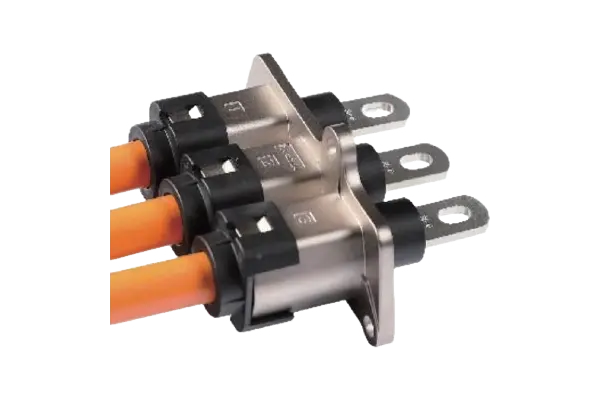
DUOSIDA lists a dedicated Two-Core Straight Head Through Hole Metal Connector within its high-voltage connector product range.
For buyers evaluating this product, the first task is to confirm its technical specifications against the intended application. Important details include rated voltage, rated current, compatible cable sizes, mounting dimensions, connection method, operating temperature, protection rating, and applicable test requirements.
The two-core configuration should also be assessed in relation to the electrical architecture. Buyers need to confirm that the number and arrangement of connection paths meet the requirements of the equipment rather than assuming that all two-core connectors are interchangeable.
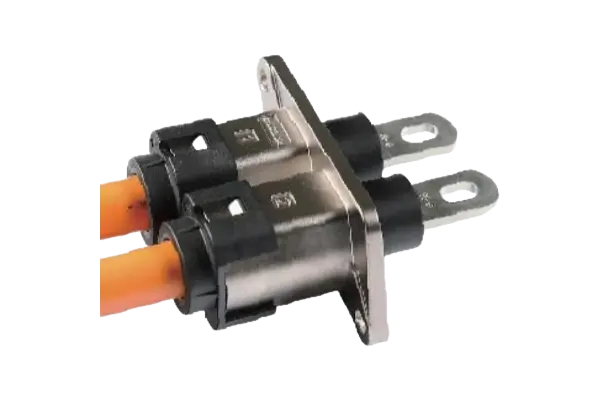
The metal housing and through-hole mounting structure are additional points to review during mechanical integration. The engineering team should verify the mounting interface, available installation space, sealing arrangement, and cable routing requirements using the product's official technical documentation.
These checks are particularly useful when the connector will be incorporated into an existing enclosure or when a project requires a component to fit a predefined mechanical layout.
How to Evaluate a Connector for Your Project
Rather than selecting a connector based on its name alone, buyers should assess the product against the actual conditions in which it will operate.
Electrical compatibility
Start with the required voltage and current. Check the published ratings and confirm whether they meet the project's operating conditions. If the equipment experiences changing loads or demanding thermal conditions, discuss these requirements with the supplier before approving the component.
Cable and termination requirements
The cable specification must match the connector's supported configuration and termination method. Confirm the conductor cross-section, cable construction, and installation procedure. Using an incompatible cable or an unsuitable termination process can affect connection quality and reliability.
Mounting and available space
Check the connector dimensions against the enclosure or panel drawing. Confirm the mounting hole, panel thickness, clearance around the connector, and space needed for cable installation. These details can prevent avoidable redesign during integration.
Environmental conditions
Identify the operating temperature range and the level of environmental protection required by the installation. If moisture, dust, vibration, or other environmental factors are relevant, verify the connector's documented performance and the requirements for the complete installed assembly.
Technical validation
Request the relevant drawings, specifications, and test documentation. For projects with formal validation requirements, agree on the necessary inspection and testing procedures before moving into production.
This process provides a practical basis for comparing connector options and communicating requirements to a supplier.
Why Consider a Chinese Connector Supplier?
For international buyers, sourcing from China involves more than finding a product listing. The supplier must be able to provide relevant product information and communicate clearly about the requirements of the project.
When evaluating a supplier, buyers should consider several factors.
First, product range matters when a project requires more than one type of electrical connection component. A supplier with related product categories can give procurement teams a broader starting point for evaluating their sourcing needs.
Second, technical information is essential. Clear specifications and drawings help engineers determine whether a product fits the electrical and mechanical design. Buyers should confirm any missing information directly rather than relying on assumptions based on a product name.
Third, project communication helps reduce misunderstandings. Providing an application description, required electrical ratings, cable details, and mounting drawings allows the supplier to respond to specific questions more effectively.
Finally, product verification should be part of the purchasing process. Sample evaluation, dimensional checks, and other project-specific tests can help confirm suitability before a component is approved for wider use.
These considerations apply whether a buyer is sourcing a single connector model or reviewing components for a larger EV electrical system.
DUOSIDA's Broader EV Product Portfolio
Zhangjiagang UCHEN New Energy Technology Co., Ltd. (Youcheng Technology, stock code: 873087) focuses on high-performance charging products for new energy vehicles. Its DUOSIDA brand covers several product categories relevant to EV charging and electrical connection projects.
The broader portfolio includes charging plugs, charging sockets, Mode 2 and Mode 3 charging products, high-power charging (HPC) products, NACS products, vehicle outlet sockets, charging stations, and high-voltage connectors.
For overseas procurement teams, this range provides an opportunity to review related product categories when planning a project. For example, a buyer researching high-voltage connection components may also need to evaluate charging interfaces or other electrical products for the same vehicle or equipment program.
However, each component must be assessed individually. Products within the same portfolio may serve different purposes and have different electrical, mechanical, and installation requirements.
Buyers can visit the DUOSIDA official website to explore the company's product categories and identify relevant components for further technical evaluation.
What to Include in a Supplier Inquiry
A detailed inquiry is more useful than a request containing only the connector's product name. It gives the supplier enough context to address the project's actual requirements.
When contacting DUOSIDA about the Two-Core Straight Head Through Hole Metal Connector, consider providing:
The intended application and equipment type
Required voltage and operating current
Cable type and conductor cross-section
Mounting dimensions or an enclosure drawing
Operating temperature and environmental conditions
Applicable compliance or validation requirements
Project stage, such as design evaluation, sample testing, or production sourcing
It is also helpful to identify which requirements are fixed and which are still under review. This allows the technical discussion to focus on unresolved questions.
Before confirming the product, request the latest technical documentation and verify that the selected configuration meets the project's specifications. If the application involves a replacement component, provide the existing part number and relevant dimensions to support the compatibility assessment.
Conclusion
Selecting a straight-head through-hole metal connector requires a coordinated review of electrical requirements, cable compatibility, mounting dimensions, environmental conditions, and technical documentation. For overseas buyers, a structured evaluation process helps reduce compatibility risks and supports more efficient communication with suppliers.
DUOSIDA's Two-Core Straight Head Through Hole Metal Connector is one option for buyers researching high-voltage connection components for EV-related projects. By reviewing its official product information and confirming the relevant specifications with the supplier, engineering teams and procurement professionals can make a more informed decision.
With a broader portfolio covering EV charging products and high-voltage connectors, Youcheng Technology provides overseas buyers with a starting point for exploring related connection solutions. The most important step remains matching each product to the verified requirements of the intended application.