
Electric Lock for EV Chargers: Key Features European Buyers Should Know
 2026-08-05

As electric vehicle charging infrastructure continues to expand across Europe, charging equipment manufacturers are paying closer attention to components that affect connector security, charging reliability, and overall user safety. One component that deserves more attention is the electric lock for EV chargers.
An electric lock may be a relatively small part of an EV charging system, but its function is practical. It can help secure the charging connection, prevent unintended disconnection, and coordinate the charging connector with the operating status of the charging equipment. For EV charger manufacturers, charging station integrators, distributors, and component buyers, selecting the right locking solution can directly affect the reliability of the finished product.
For European buyers, the decision should not be based only on appearance or basic compatibility. Connector type, locking method, electrical control, mechanical durability, installation requirements, and supplier manufacturing capability all need to be considered.
Zhangjiagang UCHEN New Energy Technology Co., Ltd., also known as Youcheng Technology, stock code 873087, is a China-based charging solution service provider focused on the development and market promotion of high-performance charging products for new energy vehicles. Through its DUOSIDA product portfolio, the company provides charging components and solutions for different EV applications and international markets.
What Is an Electric Lock for an EV Charger?
An electric lock is a locking component designed to help secure an EV charging connector or related charging interface during operation.
In a typical EV charging system, the connector must remain properly engaged while electrical power is being delivered. If the connection is accidentally interrupted, the charging process may be affected and the user experience can suffer.
An electric locking mechanism can help hold the connector in position while the charging system is active. Depending on the product design, the lock may be controlled electrically by the charging equipment and coordinated with the charging process.
This makes electric locks particularly useful for EV charging stations and charging connectors where controlled locking and unlocking are required.
For European applications, electric locks are especially relevant to Type 2 charging systems and other charging equipment designed around European EV charging requirements.
Why Electric Locks Matter in EV Charging
A charging connector is repeatedly connected and disconnected during normal operation. It must therefore provide stable mechanical engagement while remaining convenient for users.
An electric lock can support several important functions.
1. Preventing Unintended Connector Removal
During charging, accidental removal of the connector can interrupt the charging session. A locking mechanism helps keep the connector securely engaged until the charging system allows it to be released.
This is particularly useful for public charging stations, commercial charging facilities, workplaces, and other locations where charging equipment may be used by different people throughout the day.
2. Supporting Charging Safety
EV charging involves electrical power and communication between the vehicle and charging equipment. Maintaining a stable physical connection is therefore important.
A suitable electric lock can work together with the charging system's control logic to ensure that the connector is secured during the appropriate charging stage.
The lock itself is not a substitute for the complete electrical safety system, but it can form an important part of the mechanical and operational protection of the charging interface.
3. Improving User Experience
A good charging connector should not only be technically reliable but also easy to use.
The locking mechanism should engage consistently without requiring excessive force or complicated manual operation. When the charging session ends, the connector should be released in a controlled manner.
For charging station manufacturers, these details can have a direct impact on how users perceive the overall product.
Key Features European Buyers Should Check
When sourcing an electric lock from a manufacturer or supplier, European buyers should look beyond the product name. The following factors deserve attention before placing an order.
Connector Compatibility
Compatibility should be the first consideration.
The electric lock must match the mechanical structure and installation position of the relevant charging connector or charging station. For European EV applications, Type 2 compatibility is often an important requirement.
Before purchasing, buyers should confirm:
· Connector type
· Locking position
· Installation dimensions
· Mechanical interface
· Electrical control requirements
· Applicable charging equipment
A supplier that offers several EV charging product categories can make system integration easier because customers can evaluate compatible components within a broader product portfolio.
DUOSIDA provides a range of EV charging products, and buyers can explore the company's complete EV charging product portfolio to review different charging components and solutions.
Mechanical Durability
An electric lock may operate thousands of times throughout the service life of a charging station. Repeated locking and unlocking can create mechanical wear.
European buyers should therefore consider the construction of the lock, material quality, moving parts, installation structure, and expected operating cycles.
A suitable product should maintain consistent locking performance during repeated use rather than working reliably only under initial testing conditions.
This is particularly important for public charging stations and commercial charging facilities where connectors are used much more frequently than in private residential environments.
Reliable Locking and Release
The locking process should be stable and repeatable.
A charging connector that occasionally fails to lock can create unnecessary service calls. On the other hand, a lock that does not release correctly can cause inconvenience for the vehicle user.
For this reason, buyers should evaluate both sides of the operating cycle:
Locking: Can the mechanism engage reliably when the connector is correctly positioned?
Holding: Can it maintain the required mechanical engagement during charging?
Release: Can it disengage properly when the charging system permits removal?
These practical details are often more important than simply selecting the cheapest component.
Electrical Control
Electric locks are integrated into an electrical control system rather than operating only as manual mechanical components.
Therefore, buyers should confirm the required electrical characteristics and control method before selecting a product.
The lock needs to be compatible with the control circuit used by the charging equipment. Electrical parameters, wiring, control signals, and installation requirements should be reviewed during the engineering stage.
This is one reason why working directly with an experienced EV charging component manufacturer can be useful. The supplier can better understand the relationship between the locking component and the rest of the charging system.
Electric Lock Applications in European EV Charging
Electric locks can be used across different charging scenarios.
Public Charging Stations
Public charging equipment needs reliable connectors because different users may operate the equipment every day. A dependable locking mechanism can help reduce accidental disconnection and improve the overall charging experience.
Commercial and Workplace Charging
Workplace and commercial charging stations may also experience frequent connector usage. Long-term mechanical reliability is therefore important for facility operators and charging equipment manufacturers.
Residential Charging Equipment
Although residential chargers may experience lower usage frequency, users still expect the connector to engage and release reliably.
Electric locking solutions can be incorporated into charging equipment where controlled connector retention is required.
Electric Lock and Charging Mode 2 Solutions
Electric locks should also be considered within the broader EV charging product ecosystem rather than as an isolated component.
Charging Mode 2 products, for example, are designed for flexible EV charging applications and can be used in residential and mobile charging scenarios. Buyers interested in related charging solutions can review the DUOSIDA Charging Mode 2 product range.
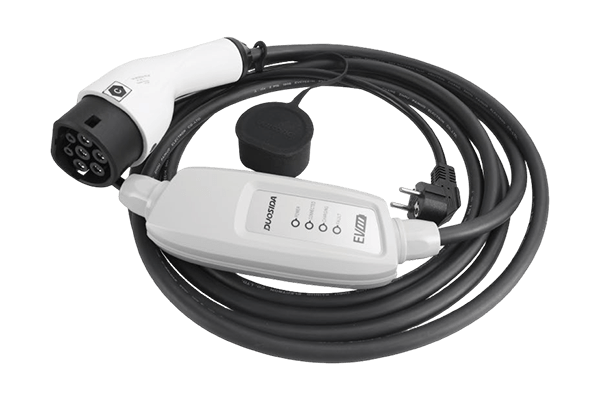
The specific locking structure required depends on the charging product, connector configuration, and intended application. Therefore, it is important to select the locking component based on the complete charging system rather than choosing a component independently.
Why Choose a China Electric Lock Manufacturer?
For European EV charging companies, China has become an important sourcing market for charging components and related electrical products.
However, choosing a China supplier should not simply be based on manufacturing location. Buyers should evaluate the manufacturer's actual engineering, production, quality management, and international market capabilities.
A reliable manufacturer should be able to provide:
· Stable production capability
· Consistent product quality
· Professional engineering support
· Product customization
· Technical documentation
· Quality inspection
· Experience with international customers
Youcheng Technology focuses on high-performance charging products for new energy vehicles and has developed a broad product portfolio covering charging connection devices and other EV charging components.
This manufacturing experience can be valuable for European customers that need more than a standard component.
OEM and Customized Electric Lock Solutions
Not every charging station manufacturer uses exactly the same connector structure or control system. OEM and customized requirements are therefore common in the EV charging industry.
For example, a customer may require adjustments related to:
· Installation structure
· Connector design
· Electrical specifications
· Cable configuration
· Mechanical dimensions
· Product integration
A manufacturer with its own engineering and production capabilities can respond more efficiently to these requirements than a simple trading company.
For European buyers developing new charging products, it is useful to discuss technical requirements with the manufacturer before finalizing the product specification. This can help identify compatibility issues early and reduce unnecessary changes during mass production.
Questions European Buyers Should Ask Before Ordering
Before purchasing electric locks for EV chargers, buyers can use the following checklist:
1. Is the lock compatible with the intended connector?
Confirm Type 2 or other connector compatibility and verify the mechanical installation interface.
2. What are the electrical control requirements?
Check voltage, control method, wiring, and compatibility with the charging equipment.
3. What is the expected operating cycle?
For public and commercial applications, repeated operation should be considered during product selection.
4. Can the manufacturer provide customized solutions?
This matters when the standard product does not perfectly match the customer's charging equipment.
5. Does the supplier have EV charging manufacturing experience?
A manufacturer familiar with EV charging systems can provide more relevant technical support than a general electrical component supplier.
6. Can the supplier support long-term production?
For B2B projects, stable supply is just as important as initial product quality.
Conclusion
Electric locks play a practical role in modern EV charging systems by helping secure charging connectors and supporting controlled charging operation. For European buyers, choosing the right product requires attention to connector compatibility, mechanical durability, electrical control, installation structure, and long-term reliability.
Type 2 applications, in particular, require careful consideration of the relationship between the locking mechanism and the complete charging connector or charging station.
For EV charger manufacturers, distributors, charging station companies, and other B2B buyers, working with an experienced China manufacturer can provide additional advantages in product development, OEM support, manufacturing consistency, and supply capability.
Zhangjiagang UCHEN New Energy Technology Co., Ltd. (Youcheng Technology) focuses on high-performance charging products for new energy vehicles and provides solutions through its DUOSIDA product portfolio. By combining product development with manufacturing experience, the company supports customers looking for reliable EV charging components and solutions for different international markets.
For European EV charging businesses, the right electric lock is not simply a small accessory. It is one part of a complete charging connection system where compatibility, reliability, and consistent manufacturing all contribute to the performance of the final product.